
Bethany Sollereder reflects on ‘God’s book of nature’, in the second of our articles to mark the Season of Creation. This is an edited extract from her series in the forthcoming issue of Guidelines, our Bible study notes for readers who want to engage deeply with the biblical text and current scholarship.
4 October 2026
God’s book of nature
Christians often want to know what the Bible has to say about the climate crisis. Biblical authors were not confronted by a rapidly changing climate, and so they do not say anything about the climate directly. They do talk about the natural world and the relationship of both God and humans to the rest of creation. Biblical texts about the natural world can give us some insight into the kinds of questions we are asking today about how to live well in a world of change.
More broadly considered, what the Bible can teach us about human nature is equally helpful as we think about how to respond to the climate crisis. But the parallels are not always exact, and trying to hear the voice of the earth or to look for guidance for our time of crisis requires creative interpretation: listening to the words of the author in their own context and listening to what the Spirit has to say to the church today.
What emerges is not always what we expect. There is order and purpose in creation, but creation is also independent of and even frightening to human well-being. We find in the Bible descriptions of human nature that portray the roots of our disorder, but also find that God works with and re-creates what is broken by sin. The natural world is messy, as is human life, but God is always at work in, through, and with the brokenness to bring new life.
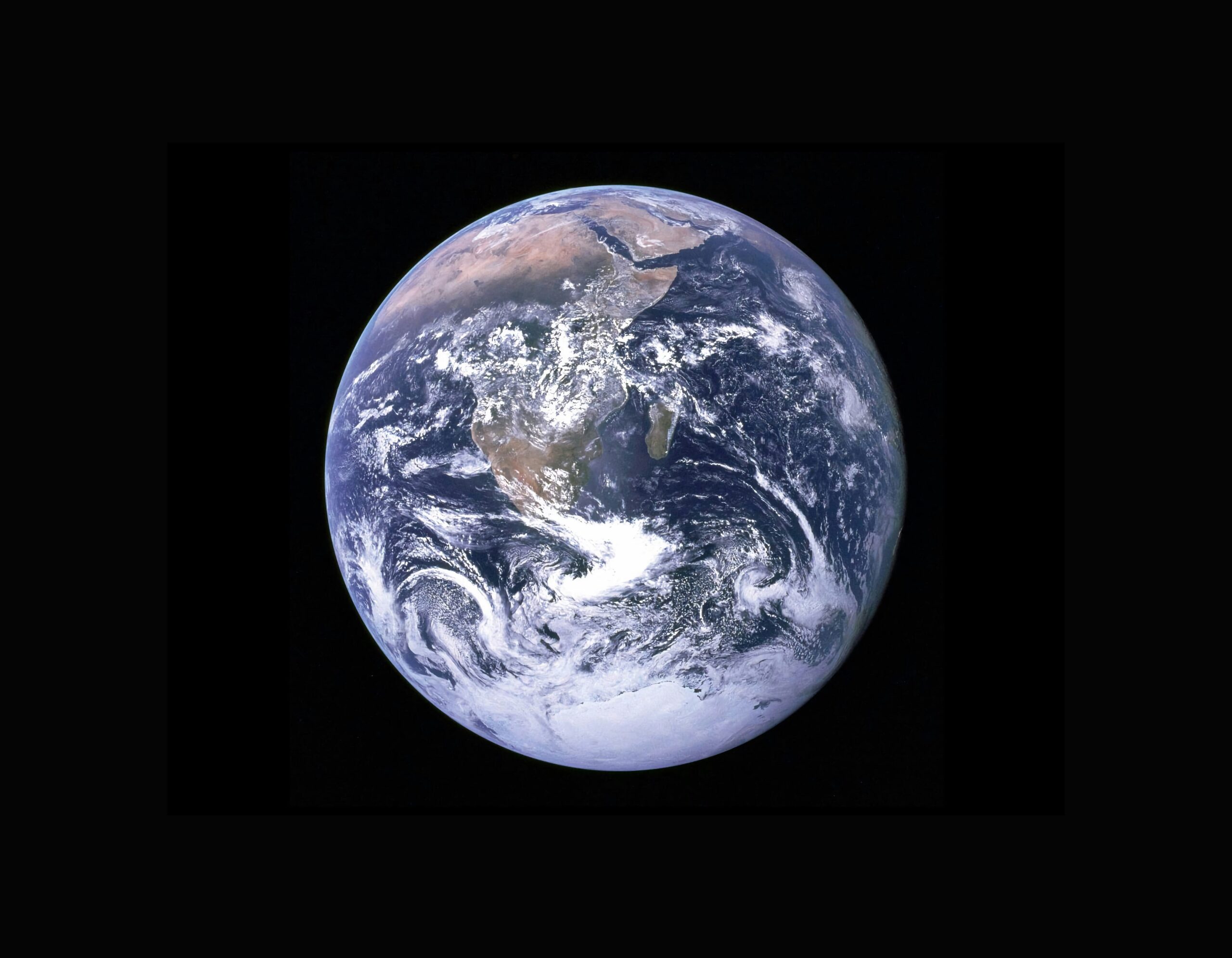
The biblical story begins with a transcendent, all-commanding view of God. God speaks, and creation responds.
Creative rhetoric
Read Genesis 1:1—2:4
The biblical story begins with a transcendent, all-commanding view of God.
This seems to be a rhetorical choice, with the author of Genesis 1 (often thought to be exilic, around 550BC) pushing back against surrounding cultures’ views that creation was made out of a violent fight between the gods (as in the ancient Babylonian epic Enuma Elish – 1100BC) or that parts of creation were an accident (as in one of the early Egyptian myths). God speaks, and creation responds.
Often, creation is mediated through other agents: ‘Let the earth put forth…’ (1:11). Even in creation, God shares the work and power of the world. The world is created in an ordered pattern: the first three days form the spaces (light; sky and waters; earth and plants), while the second three days fill those spaces with appropriate creatures (sun and moon; birds and fish; animals and humans). The ordering is more than poetic; it shows preparation and purpose in the creation rather than chaos.
When it comes to humans, God gives them a central role to rule over animals and to subdue the earth. Surprisingly, God gives them food provisions (1:29). This would likely have shocked early readers, who all knew that it was the job of humans to provide food for the gods through their sacrifices.
In the Epic of Atrahasis (18th century BC), for example, rather than the chorus of creation being about the goodness of the world, the repeated refrain is: ‘Let him bear the yoke! Let him bear the yoke! Let man assume the drudgery of the god.’ Humans were created with the sole purpose of relieving the gods of their miserable labour of procuring food.
In Genesis, creation is ordered, intentional, and peaceful. A sabbath rest caps the work of creation and provision, inviting us into the goodness and fruitfulness of the world. Yet, the command to subdue and rule over is a hint perhaps that everything is not perfectly peaceful. This is amplified by the presence of the tanninim, the great sea creatures (1:21), which appear later as dragons and enemies of God (Psalm 74:13; 91:13). The world is called ‘very good’, but the highest word for completion or perfection in Hebrew, shalom (peace), is never used.
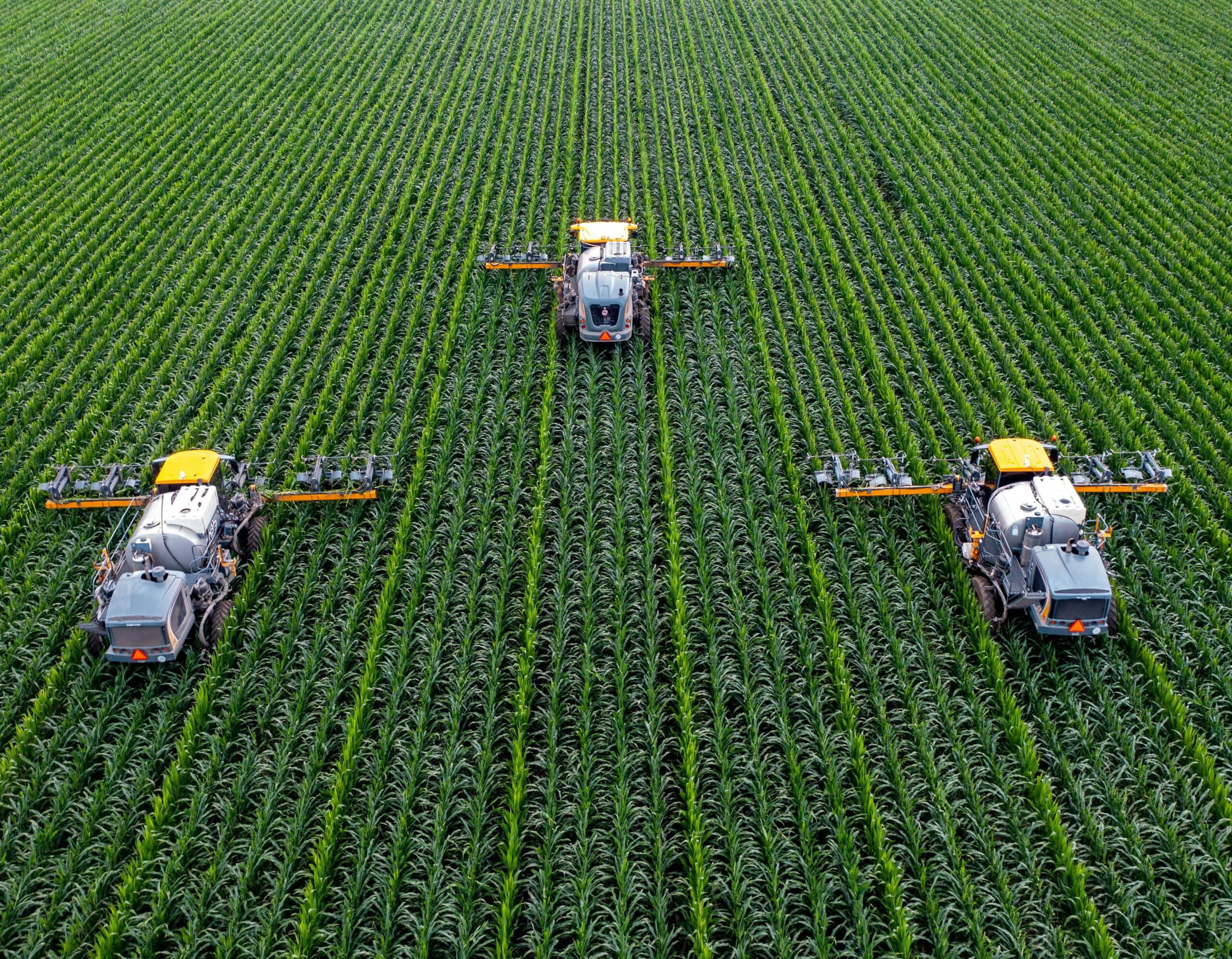
The Bible does not speak about climate change or modern industrial farming, but it does talk about how greed leaves the land withered, scattered, and exhausted.
Prophetic earth
Read Jeremiah 12
The Earth Bible Project, led by Norman Habel, set out with the intention to hear the voice of the earth in scripture. Numerous times, particularly in the prophets, the land is described as ‘mourning’ due to the evil of the inhabitants (Isaiah 33:9; Jeremiah 12:4, 11; 23:10; Hosea 4:3; Joel 1:10–12).
Jeremiah laments the short-term prosperity of the wicked (12:1–2), the way their endeavours thrive despite their abusive way of living. Meanwhile, the foundations of their prosperity – the land itself – dies under their treatment.
The Bible does not speak about climate change or modern industrial farming, but it does talk about how greed and rapaciousness leave the land and its non-human inhabitants withered, scattered, and exhausted. A text like this one is as close as it gets to modern ecological concern. But the withered land is not inanimate and passive: it cries to God for relief.
Perhaps more surprising is that God answers the earth’s prayers. The people who are oppressing the land and its inhabitants will be plucked up and sent into exile (v. 14). The people of Israel’s expectation that their status as the chosen people – their exceptionalism – will save them, is shattered.
It will not. They will suffer the consequences of their actions and find their homes taken away and their lands lost to invading armies. Exile is not the end of the story, thankfully; God will bring them back (v. 15). But return is only found on the far side of exile. There is not an escape hatch that will let them get away from the suffering ahead.
How often do we think there will be a miracle cure for our ecological ills? Do we put our hope in human exceptionalism? Are we banking on a miraculous technological cure to save us? As with the Israelites in the time of Jeremiah, there is an unwelcome message to hear: our living will catch up with us.
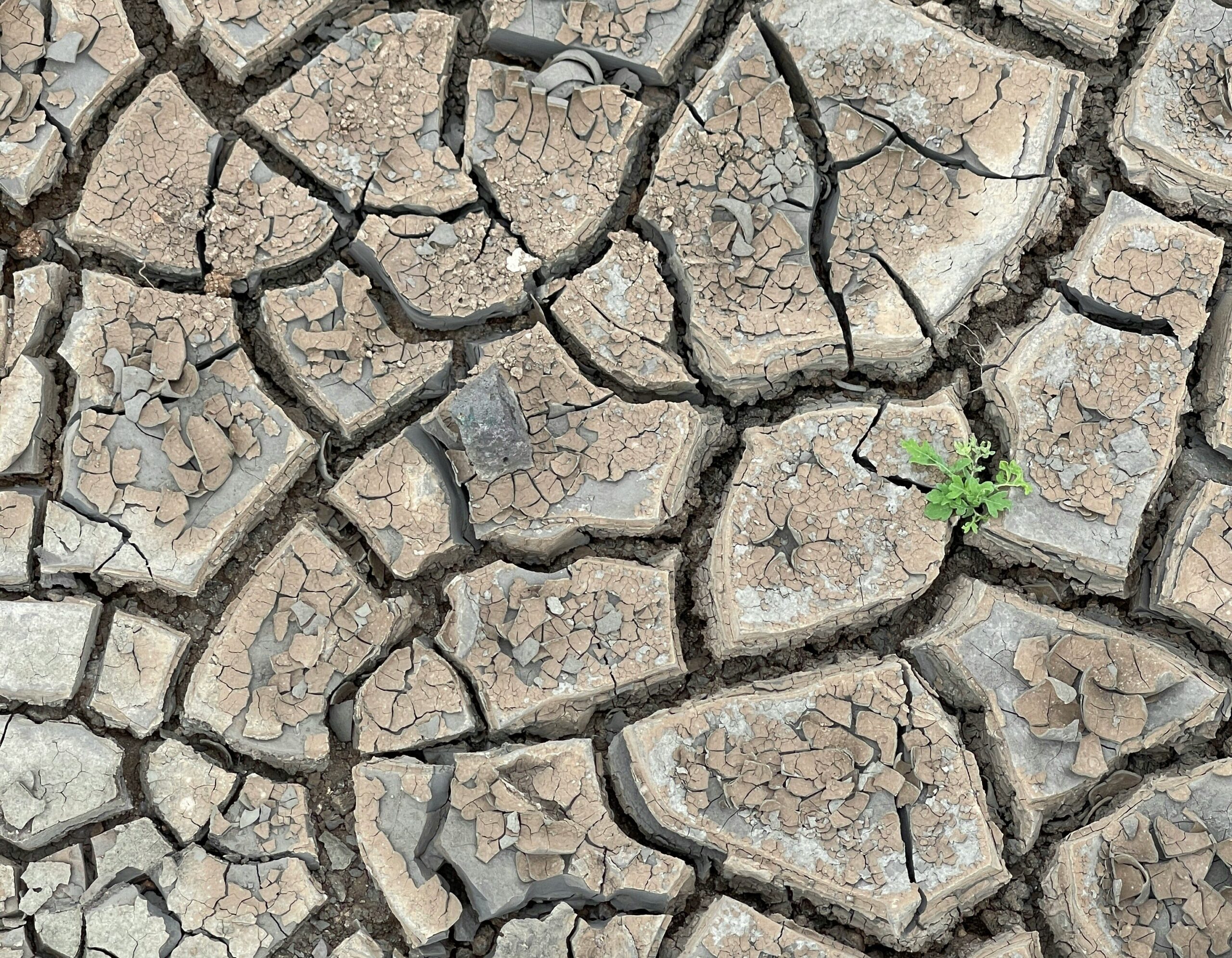
Exile is never good news, but there is hope.
Hope in exile
Read Jeremiah 29:1–14
When the Israelites ended up in exile, their hopes were dashed. More than that, Israelite identity was tied up with the land: it was the promise of God and the place of the sacred temple where sins could be atoned for. Worship, home, and wealth were all tied up in the land, and now it was gone.
God’s message is a surprising one: press into exile. Commit to the change. Settle down, build houses, plant gardens, marry, and be given in marriage. Even though the exile is a result of sinful action, there is no immediate remediation. This cannot be made better, at least not in the lifetime of those who are experiencing it.
God’s promise to fulfil and restore is not broken, but the fulfilment of them will happen after nearly all those in exile die. In the meantime, God’s plan, ‘for your welfare and not for harm, to give you a future with hope’ (v. 11), involves accepting the change and working with the new normal.
A similar message is now needed. There was a time when climate change was preventable. But short-term gains with fossil fuels won the geopolitical power games. The climate has already changed, and there are no signs of change stopping. The new reality is here to stay. Our future with a hope will not come from looking back, but from investing in the changed world we inhabit, ‘for in its welfare you will find your welfare’ (v. 7).
Throughout scripture, God works with sinful people and works with their mistakes to create a new and hopeful future. God’s creation is full of journey, not of a static status quo. As we face climate change, we need a radical hope: a hope that is not just to return to the old ways of life, but a new way to be in a new world.
Deep time offers some of that hope: the entire time dinosaurs were on earth, the coldest it got was 7°C warmer than now. The last time it was 4°C warmer than the pre-industrial norm, mammals thrived, whales filled the oceans, and species diversified. There will be life on the other side of climate change, even though suffering will definitely be involved in the change. Exile is never good news, but there is hope.
This is an edited extract from Bethany’s reflections in Guidelines January–April 2027. Scripture quotations are taken from The New Revised Standard Version Updated Edition. Copyright © 2021 National Council of Churches of Christ in the United States of America. Used by permission. All rights reserved worldwide.