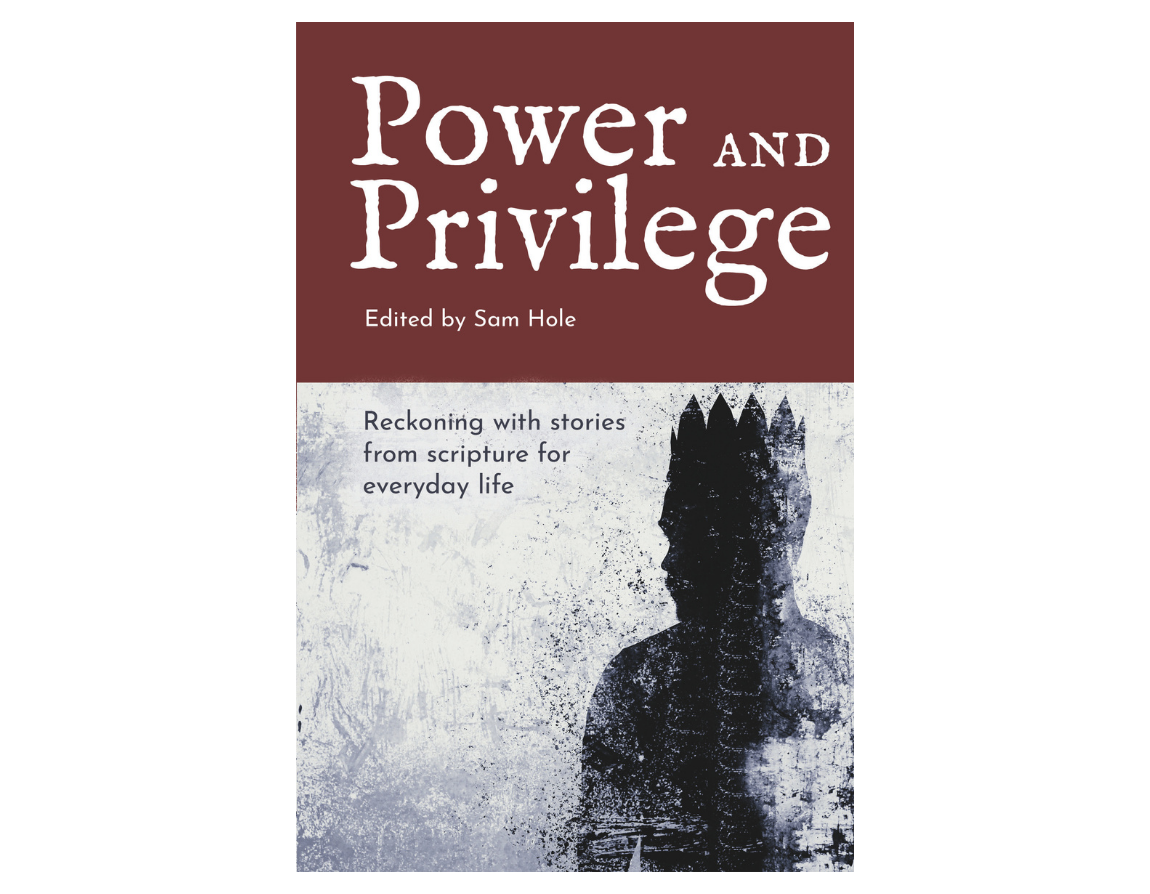
Hannah Malcolm reflects on the example of the prophet Amos in our second extract from Power and Privilege: Reckoning with stories from scripture for everyday life. This new collection of essays – just published – has been warmly praised, including by Olga Fabrikant-Burke of Ridley Hall, Cambridge, who writes:
‘This book feels timely and necessary. It brings together some of today’s most stimulating theologians to wrestle with the question of power – something the church cannot sidestep. What makes it especially compelling is the way it grounds that question in the lives of familiar biblical figures like Moses, Ruth, and Esther, drawing us into the twists and turns of lives not unlike our own. The result is searching, constructive, and genuinely helpful: real wisdom about holding and using power well.’
25 October 2026
Amos: the power of attention
It is roughly 800 years before the birth of Christ, and King Jeroboam II is on the throne in the prosperous (and recently expanded) kingdom of Israel. A shepherd and sycamore farmer from Tekoa suddenly finds that he has been selected as the next mouthpiece of God.
Amos is instructed to leave his sheep and his figs and dispense some unwelcome news to Israel’s political and religious leaders: repent of your sins or lose the land and everything you have in it. To be fair, he also receives some pretty equal-opportunity judgements to hand out to Israel’s neighbours (Amos 1:3—2:3). But he reserves the bulk of his prophetic denouncements for his fellow Israelites, and these are presented with the kind of confronting insight that God’s prophets often possess: a clear-eyed view of the holy and unholy, undeterred by pressure from the usual laundry list of human excuses, weaknesses, or social/political loyalties.
As with a number of the other prophets in the Hebrew Bible, Amos’ contemporary legacy has largely been constrained to one memorable verse. Famously referenced by Martin Luther King, Jr in his Letter from a Birmingham Jail, Amos’ call to ‘let justice roll down like water’ (5:24) has taken on a life of its own, quite separate from the rest of the prophetic text. But if we take the time to see what else Amos had to say, we find that King’s choice of text carries greater significance than we might otherwise give it credit.
Because, like King, Amos didn’t simply wish that God’s justice would come. Rather, Amos and King believed that God’s justice would come, whether the people want it or not.
And this is Amos’ gift to us, too. In contrast to Israel’s rulers, who refuse to acknowledge the consequences of their sins, and their dependence on their existing power and privilege, Amos’ prophetic power lies in his ability to attend to God’s work in the world around him.
And he has the power to make others pay attention, too, even when it is not in their (apparent) interest to do so.
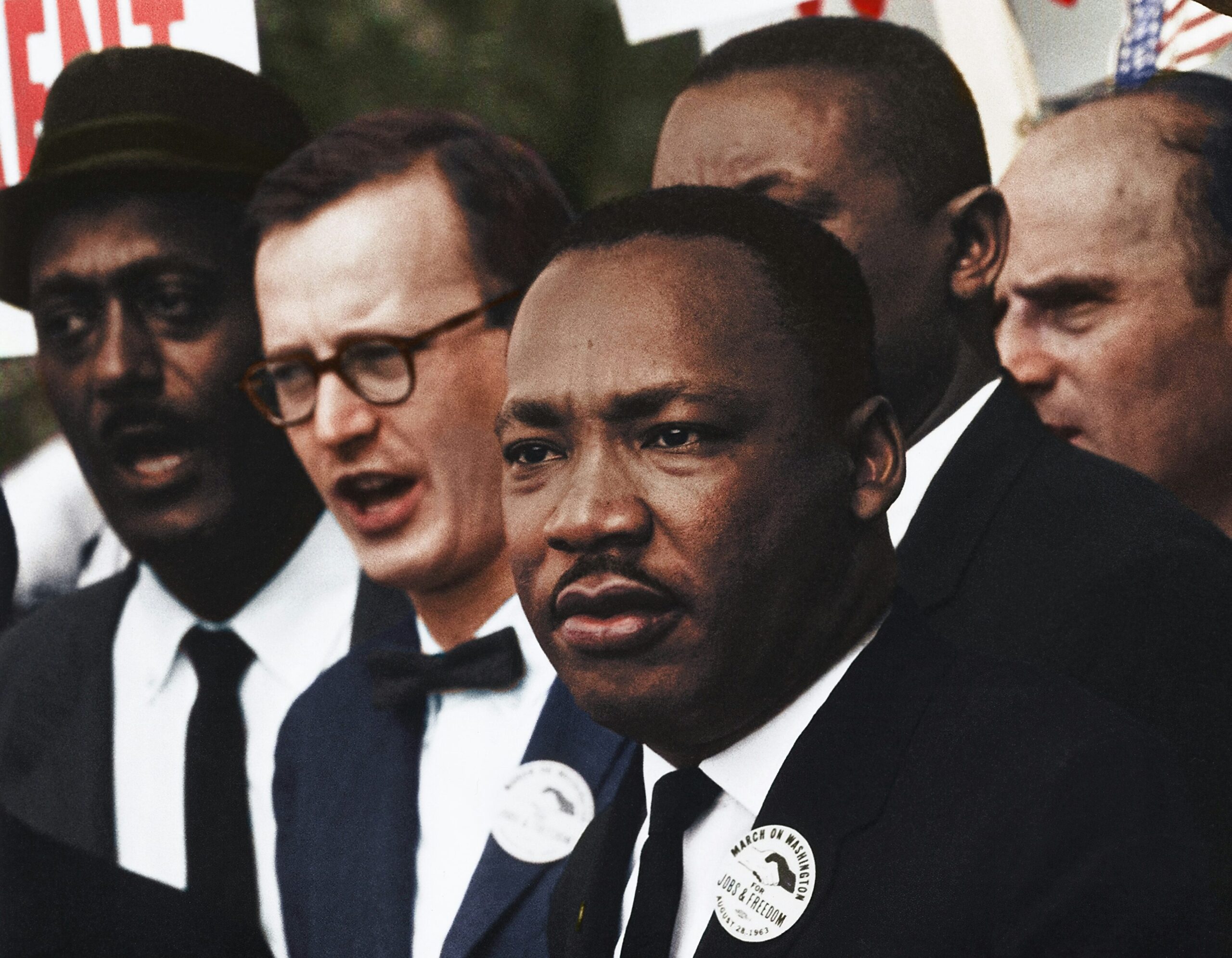
Like MLK Jr, Amos didn’t simply wish that God’s justice would come. Rather, Amos and King believed that God’s justice would come, whether the people want it or not.
Distance from the ruling elite
I suspect that this power is at least partly a result of who Amos is and who he is not. Amos is not familiar with the political or religious classes to which he directs God’s ire. He is not a professional prophet or priest, nor is he descended from one. He is a farmer (Amos 7:14–15). He does not speak from the perspective of those ruling, nor does he speak for their benefit. His distance from the ruling elite and his intimate knowledge of the land affords him greater clarity when it comes to interpreting and communicating the words God has for his people.
His message has three basic parts.
First, the holiness to which Israel is called is written into the fabric of the universe. The world is in constant conversation with its maker, and God’s people are invited to participate in a cosmic call and response.
Second, Israel’s sinful rejection of this call will bring about the ‘Day of the Lord’; the land will hear and administer God’s judgement, forcibly ejecting the people from the very place they were gifted.
And, finally, a day of peace and justice will come, despite – rather than because of – the actions of God’s people.

Amos does not speak from the perspective of those ruling, nor does he speak for their benefit.
Hannah follows these introductory observations with a detailed analysis of the dynamics of power and privilege, social injustice and religious violation, in Amos’ day, before her concluding remarks.
Learning from the prophet
Amos has a particular gift for paying attention, and if we’re willing to learn from him, we might become more adept at attending to God’s presence and purposes, too.
First, attention has to be offered where we are. Amos is someone who works closely with the land and understands it. But he not only understands how to turn the land to his own will; he can see that the land’s relationship to him is entirely secondary to its relationship with God. It is God’s voice which governs the earth, and God’s creatures are simply invited to respond as participants in God’s community. If they refuse, they will be expelled from that community.
Rather than attempting to speak the language of those with worldly power or expand his network of influence, Amos learns the purposes of God through the particular work and place he inhabits.
Second, paying proper attention is a gift we can learn from others, if we are willing to have our usual perspective disrupted. Amos’ gift for paying attention is put to work; he is instructed to share it with those who are deliberately inattentive. As Ellen Davis puts it:
The prophets instruct our weak religious imagination… they enable us to see the present moment of history in divine perspective… the whole stretch, from creation to the end of days, is visible at once.
The power of Amos’ prophetic voice means that his hearers are confronted with a clear-eyed picture of the way things are. He truly captures the reality of the present, and he does not soften the blow for the benefit of his audience. His hearers are drawn, however unwillingly, to recognise what is right in front of them – their unholy injustice and the contrasting obedience of the rest of God’s creation.
But Amos’ words don’t simply function as an accurate expression of the state of things. They also imply awareness of an alternative way of living. For all his excoriating warnings and condemnations, Amos is not a fatalist. Instead, he insists that this injustice, this violence, is the result of choosing sin, and as far as the community of creation is concerned, it doesn’t have to be this way. It is possible to hear the voice of God and respond.
Are we, in our comfortable inattention, willing to hear those with unwelcome words of judgement aimed at us? It is all too easy to read ourselves on the side of the prophet or the oppressed, when we may have more in common with the idle rich, clinging to their own power at all costs.

It is all too easy to read ourselves on the side of the prophet or the oppressed, when we may have more in common with the idle rich.
Divine intervention
Third, true attention to God’s purposes cannot simply be found by looking at the world as it is. The final, hopeful, words of Amos hinge on divine intervention.
Perhaps it can be no other way. There was little about Israel’s experience of human injustice and the threat of disaster which suggested such an abrupt societal and ecological transformation was likely. The promise of mountains dripping with wine did not likely look reasonable or realistic to the people of Israel, and the promise of peace on earth certainly doesn’t look reasonable and realistic for us today. Talking about redemption in the midst of apocalyptic violence can feel naive at best.
And yet Amos is able to paint pictures of peace while still paying unflinching attention to the unholy chaos of the world. Are we able to do so?
The book of Amos is all about power. There is the kind of human power which gets you recognition and accumulates wealth: it is from this kind of power that privilege comes. There is the power of non-human creation, alive to the divine call and eagerly awaiting redemption. There is the power of a prophet, whose trained eye can see the holy and unholy and who is unafraid to speak.
And above all, there is the power of God, who will not wait for us to obey before he sets the world to rights.