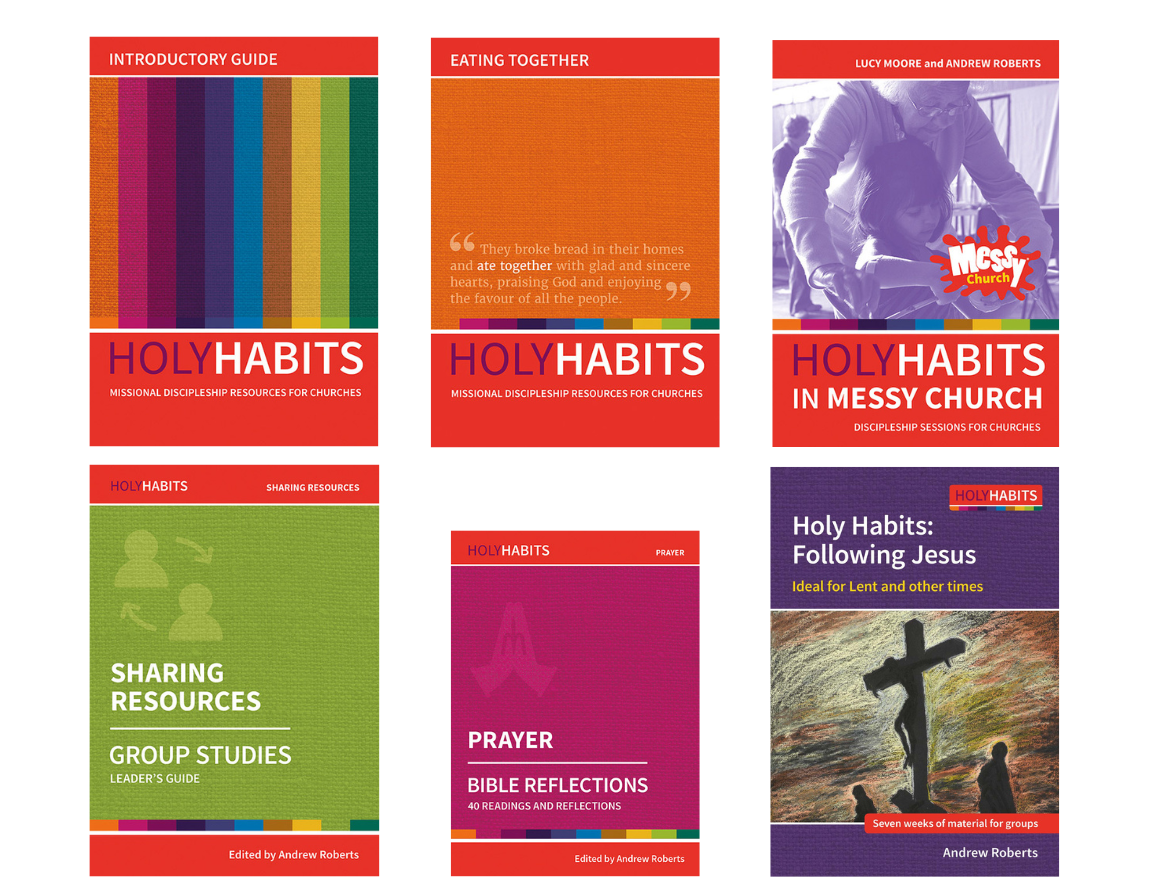

A timely reminder of one of BRF Ministries’ most important resources for churches and groups who want to deepen their discipleship and strengthen the bonds of community – Holy Habits.
12 October 2025
What is Holy Habits?
Created by Methodist minister Andrew Roberts, Holy Habits is a way of life for those exploring or already actively living out the call of Jesus to ‘follow me’. It is a way of life for all ages and cultures; a way of life based on Luke’s portrait of the community of followers of Jesus that we see in Acts 2:42–47; a way of life that nurtures whole-life, missional discipleship; a way of life that, when lived faithfully day by day and fruitfully both personally and collectively, encourages others to join the adventure of following Jesus.
Angela Mak, a licensed lay minister at Holy Trinity Shaw in West Swindon, told our comms officer Eley McAinsh about her church’s experience of Holy Habits.
‘The Holy Habits resources will help you, your church, your fellowship group, to engage in a journey of discovery about what it really means to be a disciple today. I know you will be encouraged, challenged and inspired as you read and work your way through each chapter. There is lots to study together and pray about, and that can only be good as our churches today seek to bring about the kingdom of God.’
—The Revd Loraine Mellor, president of the Methodist Conference 2017–18
A beautiful breadboard and a shared chicken
For Angela Mak, two unlikely items, a breadboard and a chicken, embody the power of Holy Habits to transform lives, but it takes time…
Her story begins a few years ago and includes not one, but two experiences of Holy Habits. A former science teacher, Angela is busier than ever in ‘retirement’. She now loves using her skills ‘for God’, helping teach on the formation year of the licensed ministry course, alongside leading worship, preaching, running a prayer ministry, and pastoral care group at Holy Trinity Shaw, sister church of St Mary’s Lydiard Tregoze.
Angela also runs a day-time Bible study group – the ‘Day Group for Jesus’ – with two colleagues. And she enjoys some part-time writing for Roots on the Web Christian resources. ‘That’s ministry, isn’t it,’ she says. ‘And that’s retirement life for lots of people. Each thing seems a good idea, and you end up doing too many different things!’
A former ecumenical partnership church, Holy Trinity is now Anglican, in the same benefice as St Mary’s, in the diocese of Bristol and under the leadership of incumbent Revd Canon Captain Clive Deverell.
‘The Holy Habits resources help weave the spiritual through everyday life. They’re a great tool that just get better with use. They help us grow in our desire to follow Jesus as their concern is formation, not simply information.’
—Olive Fleming Drane and John Drane
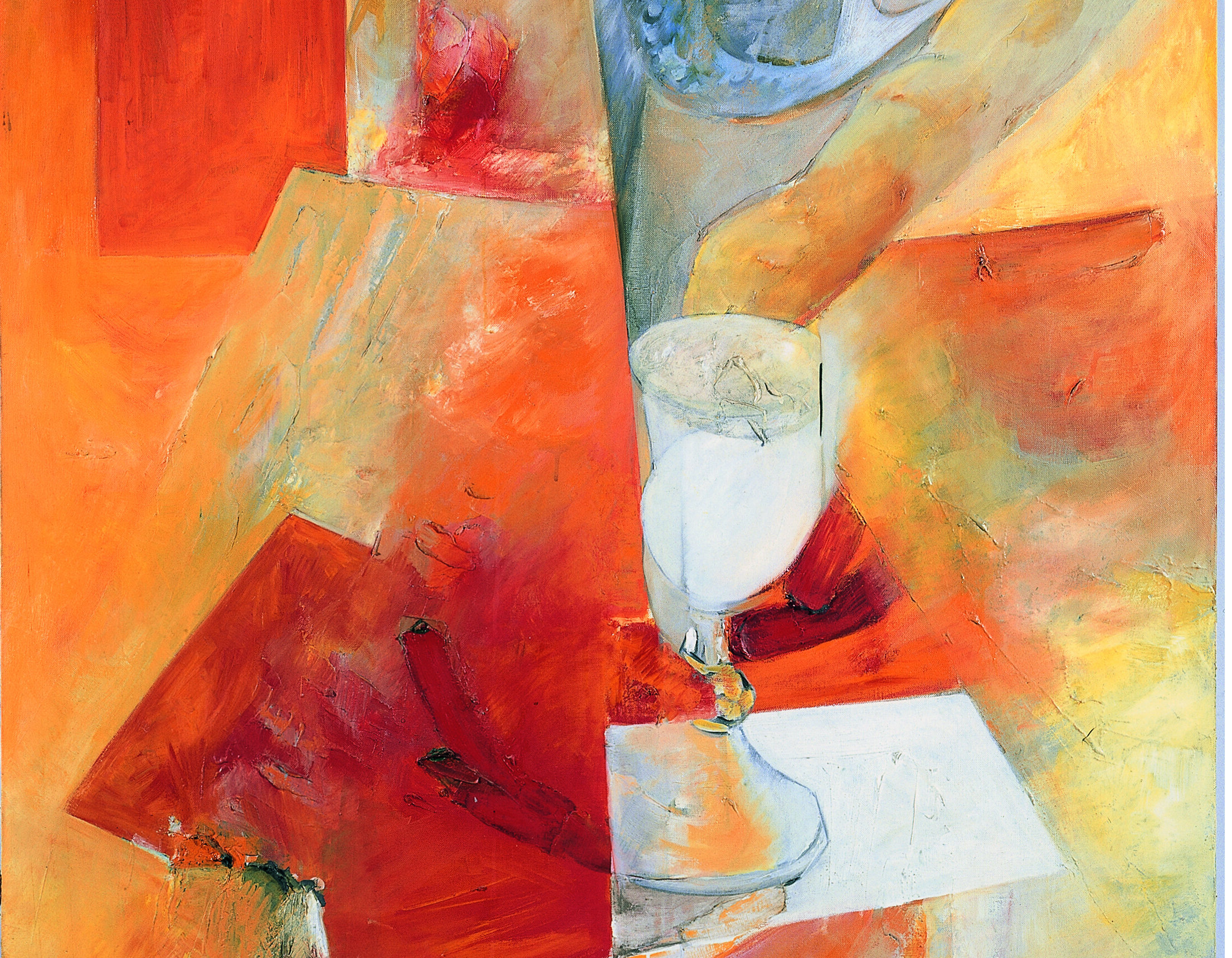
Image: Detail of The Elements of the Holy Communion, Jacques Iselin (1933–2003): oil, 1963, 180 x 105 cm. From the Methodist Modern Art Collection, © TMCP, used with permission. The painting appears in Holy Habits: Gladness and Generosity
First time round
Angela has worshipped at the church for 32 years and seen many changes, including the transition from ecumenical partnership to Anglican. The church first worked with Holy Habits from 2018 to 2020, just before the pandemic changed everything. Championed by a Methodist couple in the fellowship, who knew about Holy Habits through the local Methodist circuit, Holy Trinity committed to using the resources for two years, covering all ten habits. Angela says:
‘They really emphasised how much it would benefit our discipleship and deepen our relationship with Christ and help us live out our faith in daily life. That’s what helped people really get behind it.
‘The idea was to try to stimulate a more active engagement in our faith in our everyday lives. So as leaders we really wanted people to buy into it, and for people to question how much their faith was informing their everyday lives. We wanted people to understand discipleship, the breadth of what discipleship is.’
The first time round, the resources weren’t used in small groups, only in the Sunday morning services, and with so many visiting preachers and preachers from different traditions, the amount of Holy Habits content varied from week to week. Nevertheless, it did have an impact on the congregation. According to the Revd Clive:
‘It created a culture of learning and growth, particularly for people thinking of going into ministry of various types.’
For Angela: ‘It helped us as a church to be more creative and experimental in our worship and try out different approaches. When I led the services I particularly liked using the Methodist artwork suggested at the end of each habit. A lot of the images are abstract and helpful for silent reflection and prayer.’
‘To understand the disciplines of the Christian life without practising them habitually is like owning a fine collection of soap but never having a wash. The team behind Holy Habits knows this, which is why they have produced these excellent and practical resources. Use them, and by God’s grace you will grow in holiness.’
—Paul Bayes, former Bishop of Liverpool
Second time round
Since autumn 2024, the church has been revisiting Holy Habits, but with several differences in approach. They’re doing a smaller number of the habits, still for two months for each, but with a gap in between. People have found that helpful, says Angela. ‘It’s not as intense as when we did the habits back-to-back. You used to think sometimes, oh, which one are we on?!’
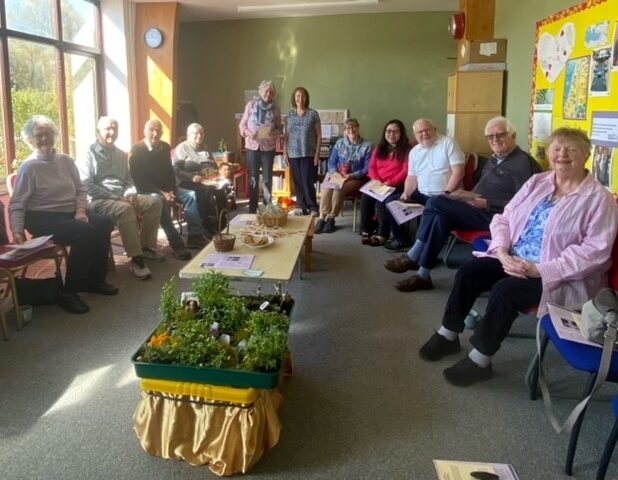
But by far the biggest impact Angela has seen the second time round has been using the resources in a daytime fellowship and study group she helps lead (pictured above).
‘This group has grown and grown. Through word of mouth, people have even joined from some other churches, and people who used to be part of the church have come back for the group. Doing it in a group has made all the difference.’
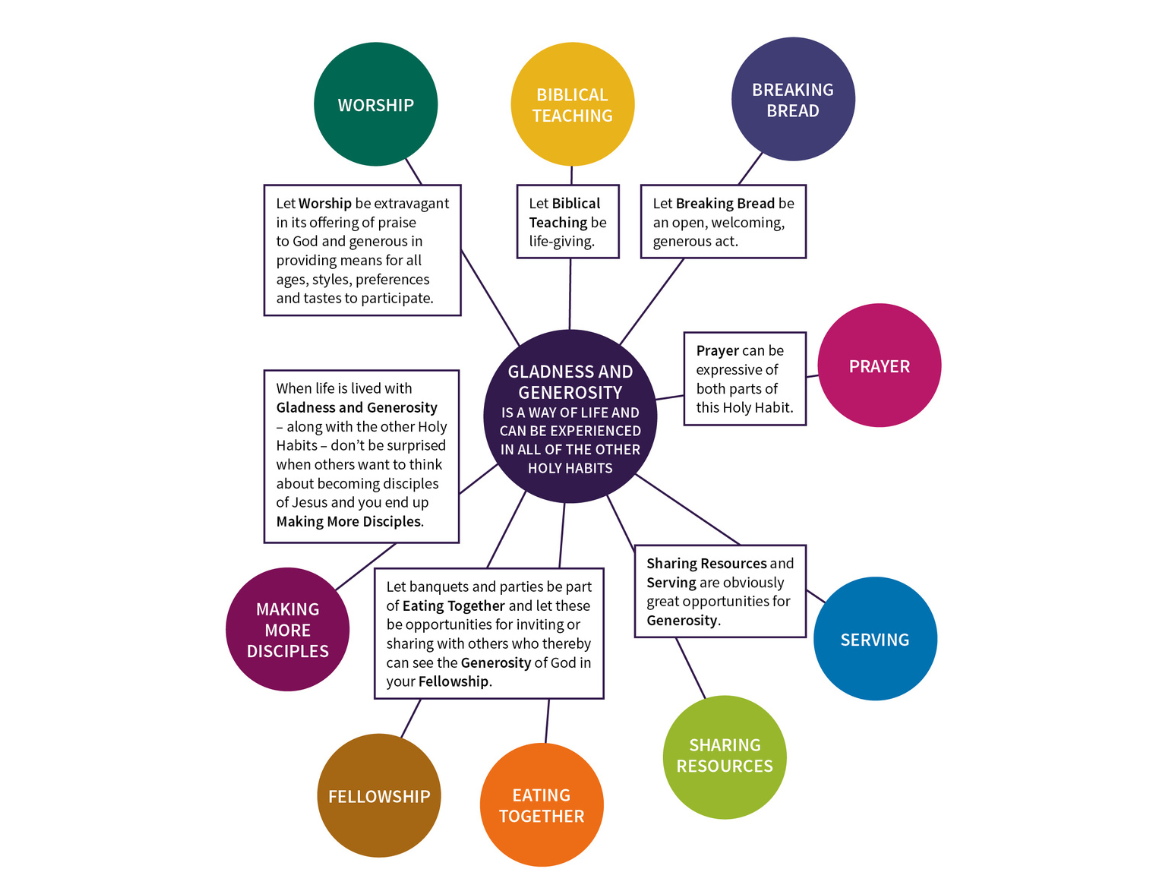
For Angela, two particular resources have stood out for the group: the Gladness and Generosity materials and the Holy Habits: Following Jesus Lent course.
‘I certainly saw the impact of Gladness and Generosity in the way people were thinking about giving to charities and donating their time as well. So that one really helped. And then we’ve just finished Biblical Teaching, and that’s been very good in our small group.’
This time the group has been using the Group Studies booklets. Angela says:
‘They’ve been great. I love them and the group loves them! More and more people are contributing, even the quieter ones. As we try to apply the passage to our daily life, we actually do more than is suggested, and that’s coming from a point of questioning and wonder, really, and from community. We’ve definitely found that it’s helped us to go deeper and it’s helped us to do it as a community.
‘The other thing that’s striking is that although each habit is titled separately, they do connect beautifully. So, for example, eating together, sharing food, is one of the ten habits, but it’s a theme which flows through so many of the other habits and through each of the Lent studies.’
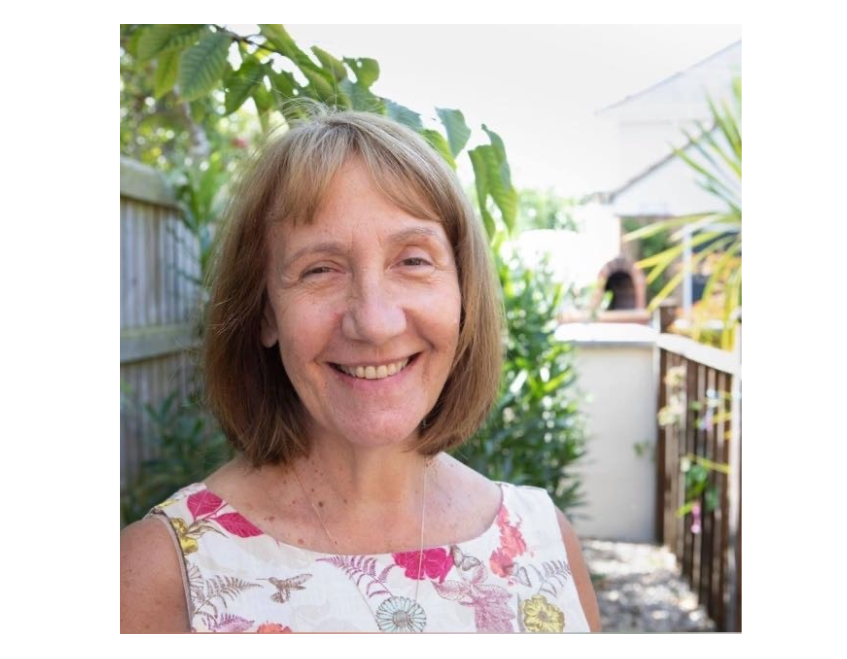
‘The Holy Habits Group Studies have been great. I love them and the group loves them! We’ve definitely found that it’s helped us to go deeper and it’s helped us to do it as a community.’
—Angela Mak
Back to the breadboard
And that brings us back to the chicken and breadboard. Angela tells the story of one of the group members, a man who lives on his own:
‘He shares if he’s asked, and we encourage him to contribute. One day he shared a story which has stuck in everybody’s mind and he’s so chuffed because everyone’s interested in it. It’s a funny story about eating together, but it goes deep.
‘He’d accidentally roasted a chicken upside down, so when he went to eat it he thought, “There’s not much meat on this.” He ate some of it and then, when he was clearing up, he realised what he’d done and saw there was actually a lot of meat left. So, he took it round to a friend who’d been widowed in the pandemic. The second man enjoyed a hearty helping of chicken and before long another friend arrived, who he knew was a good cook. He gave her the carcass and she said she’d make some soup. She took that carcass and made lots of soup to share with other people she knew and finally she took some of the soup back to the first man.
‘So, it’s a funny story that without being too heavy about it, just highlights a little bit of everyday generosity: the thought that I have this, who can I bless with it, and that blessing goes round and round. It really seemed to sum up a lot of what we’ve been talking about, being together and blessing one another.’
And similarly, the breadboard…
‘The breaking bread habit had really touched us, so much so that when one of the group went home and talked about it to her husband, he made her this absolutely beautiful wooden breadboard, and carved into it the verse “Man shall not live by bread alone, but on every word that comes from the mouth of God.” The couple gifted it for their minister who was retiring. Isn’t that really lovely?’