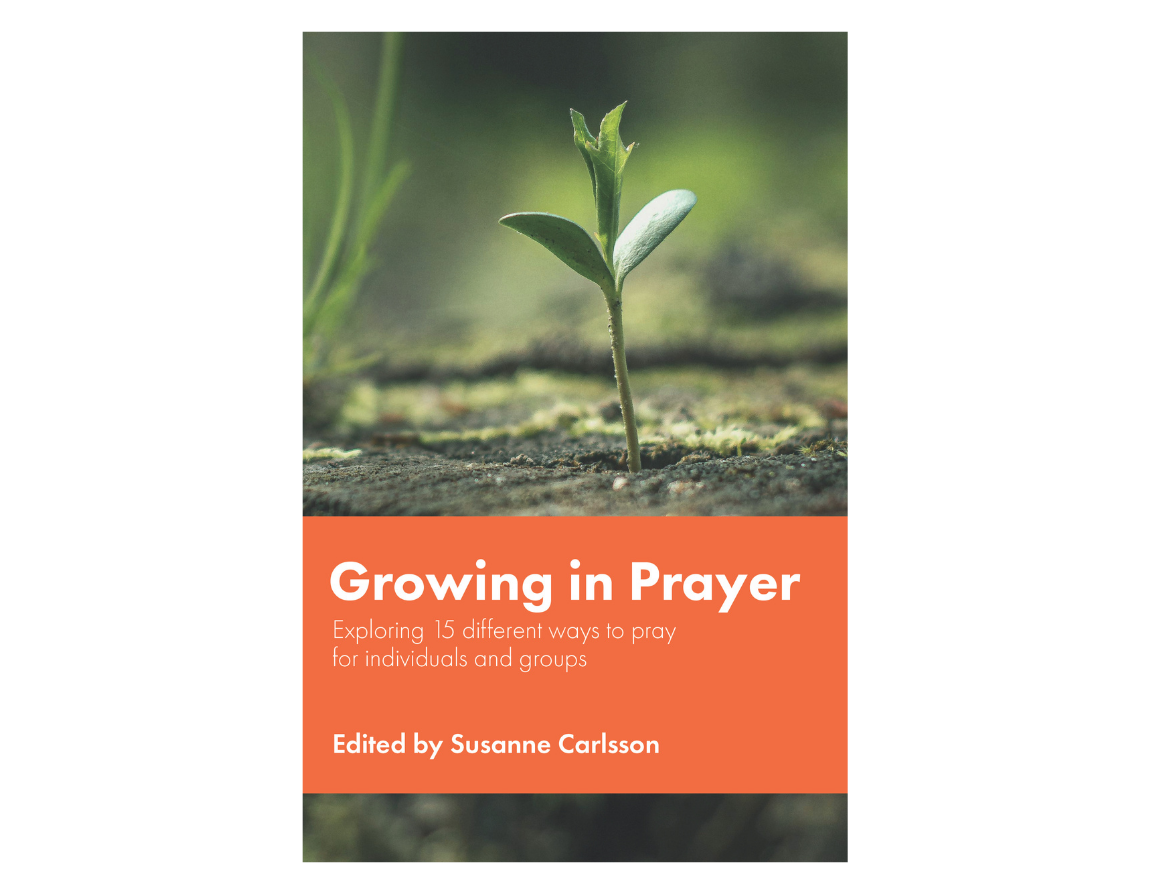

All of us pray in different ways at different stages in our lives. Sometimes we need new ways of praying as we grow in our relationship with God. From silent listening to Lectio Divina, from centering prayer to praying with icons, music, and poetry, Growing in Prayer offers 15 different ways to pray for you to try. In the first of three articles focussing on deepening our prayer life, here are two examples taken from the book, which is edited by Susanne Carlsson and publishes on 23 January.
11 January 2026
Listening to God in silence and stillness
It is in silence and stillness that we may ‘hear’ God with inner ears. Blocking out all sounds and activity in this fast-paced, noisy world of today is a challenge. But the following steps can help you to relax and focus on that silence within.
You can do this whenever and wherever – even if you only have a few minutes! Allow yourself to be gently drawn into this space, eventually spending longer periods in silence.
Silence as a discipline is at the heart of all prayer. It plays an essential part in the process and development of spiritual growth throughout the history of the church. In the third and fourth centuries, the Desert Fathers and Mothers went out to the wilderness to find silence and stillness, and later the discipline of silence and stillness became an essential part of the daily routine in monastic life. Today, many retreat houses offer people a place where they can explore and experience the value of stillness and silence. It is, however, important to remember that silence and stillness in this context are not ends in themselves but a means to building and deepening our relationship with God.

Silence as a discipline is at the heart of all prayer.
How to…
First, get into a comfortable position.
Focus on your body. Starting at the top of your head, work your way down, closing your eyes, relaxing your facial muscles, your shoulders, then your torso, your arms, hands, legs and feet, right down to your toes.
Now listen to the sounds around you. Don’t try to block them out, just acknowledge them and be aware of God’s presence in them, in the people and activities that are causing them.
Remember God’s presence in you, in your body and in your feelings, and remember that you are loved.
Become aware of your breathing, and pay attention to each breath without altering it – in and out, in and out.
Remember God’s presence in your breathing. As you breathe in, accept God’s love and life; as you breathe out, let go of anything that is worrying or distracting you, placing it in God’s loving hands.
As you finish, you may want to pray:
In me, O God, you live and move and have your being. In you, O God, I live and move and have my being.
God of stillness and creative action, help me to find space for quietness today, that I may discover the inner meaning of silence and hear your still, small voice through Christ, in the love of the Spirit. Amen.
After your time of prayer, you may want to consider whether you experienced:
- Any ‘warm spots’ – feelings, thoughts bringing some sense of God’s closeness – e.g. peace, trust, hope, love.
- Any feelings or thoughts that felt negative, disturbing, etc. and may have brought a sense of distance from God. These are often springboards for growth if you can own them and pray with them.
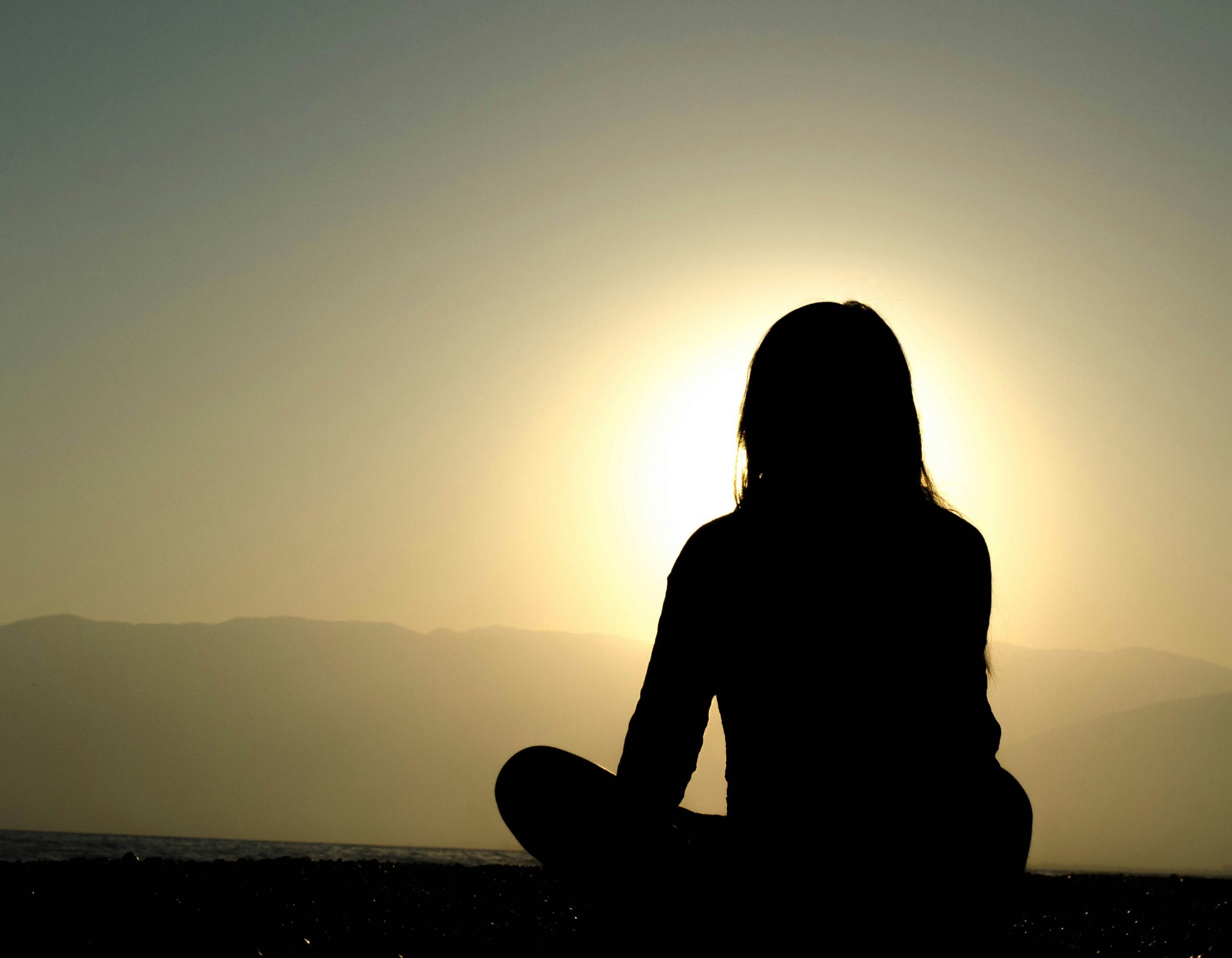
Remember God’s presence in you, in your body and in your feelings, and remember that you are loved.
The Examen: reviewing the day
Reviewing your day is a way of becoming more aware of where and how you meet God in everyday life.
Reviewing the day – or the Examen as it is sometimes called – is to pause and take time to prayerfully reflect on the events of the day in order to recognise the presence of God in our lives and to ask God for the grace to discern the way forward.
To reflect on our daily experiences in prayer is an ancient practice of the church. However, St Ignatius of Loyola (1491–1556) gave this reflection a particular structure, and the method presented here is an adaption of the prayer described by Ignatius of Loyola in his Spiritual Exercises.

Reviewing your day is a way of becoming more aware of where and how you meet God in everyday life.
How to practise the Examen
The Examen is a prayerful way to let the day – all its events and activities – go into God’s hands so that you don’t carry your anxieties and frustrations unobserved and unhealed into sleep and into the new day. This way of reflecting has its origin in the Ignatian tradition.
‘Be still and know that I am God.’ Take a moment to find a comfortable position. Don’t change your pattern of breathing; just notice that you are, and gently bring your awareness and focus inwards. Be still.
Transition. ‘You are precious in my eyes and honoured, and I love you.’ You are in the presence of God, in the presence of love. Become aware of that love with which God looks upon you.
Give thanks. Reflect on God’s love in your life today, the kindnesses you’ve experienced through his love for you, and the things that lifted your spirits – no matter how small.
Don’t try to remember too hard; just see what emerges, and give thanks to God.
Ask God for understanding. Ask for enlightenment and guidance so that you may understand how God’s love has been working with you throughout the day.
Review. With God, review your day. Look for the stirrings in your heart and the thoughts that God has given you this day. Look also for those that have not been from God. Review your choices in response to both and throughout the day in general.
Ask for forgiveness and healing. There may have been moments in your day when you failed to respond to God’s love at work in you. Don’t judge yourself harshly, just look at that experience and ask for forgiveness, trusting in God’s love that removes your heart’s burdens, casts out fear and binds up wounds.
Renewal. Bring to God any anxieties you may have about the day ahead, and ask for the gift of what you most need to help you live God’s loving desire for your life. Above all trust in God.
Transition. Gently bring yourself back to the room and end your prayer by saying thank you or using words that are familiar, such as the Lord’s Prayer – whichever feels right and comfortable.
Again, after your prayer time, you may want to consider whether you experienced:
- Any ‘warm spots’ – feelings, thoughts bringing some sense of God’s closeness – e.g. peace, trust, hope, love.
- Any feelings or thoughts that felt negative, disturbing, etc. and may have brought a sense of distance from God. These are often springboards for growth if you can own them and pray with them.