Global Bible Month is a worldwide movement that invites people everywhere to spend 30 consecutive days, 1–30 November, in God’s word. People, ministries, organisations, and global brands are coming together to amplify the transformative impact of God’s word in this worldwide initiative led by YouVersion. BRF Ministries is beginning to build its presence on YouVersion with extracts from our extensive Bible reading resources and new writing from some of our most popular authors. Among the resources we’ll be highlighting is New Daylight, our most popular Bible reading notes series. The following is taken from Elizabeth Hoare’s current reflections on Psalms 101–106.
15 November 2026
Our partners in prayer
The psalms offer themselves as our partners in prayer. They cover every mood and human emotion from exuberant joy to downright despair. Borrowing their words helps us articulate our deepest response to God, whether of praise and thanksgiving or the most difficult experiences of pain, suffering, disillusionment, and rejection.
Moreover, the psalms provide a sense of perspective. They help us to practise praise and thanksgiving, and by doing so we are led to notice more blessings than before. In the depths of our sufferings, they remind us that even there, God is with us. They look at life as it actually is, not as we would like it to be. At the same time, they are ‘renderings of what is surely promised’, as the Old Testament scholar Walter Brueggemann put it. In other words, they are boldly anticipatory.
To pray them we too need a certain boldness at times. It has been said that praying them politely in liturgical settings is apt to rob the psalms of their gritty approach to prayer that involves a dialogue with God. It is not just that we speak and God listens, but that we may rage and question and even demand. And in return, there is a time to be silent so that God may speak and we can listen.
Frequently the psalmists point to the world outside to describe what God is like and, in so doing, they invite us to reconsider. The signs of the invisible divinity are everywhere. Look around and see where his eternal power and divine nature are illumined, inviting our response.
In Psalms 101—106 we see that God is not just about green pastures and cool streams, but also hurricanes and consuming fires. These six psalms contain wonder and praise, thanksgiving and cries for help. Allow the selection to speak to the highs and lows of your own spiritual walk of faith in the following days, but also to widen your horizons to see the wonder, sovereignty, and loving kindness of the creator for the world. The psalms ask us to know ourselves and to know God. Again and again, they show us that God is faithful and full of mercy and compassion and can be relied on to guide and to rescue his people.
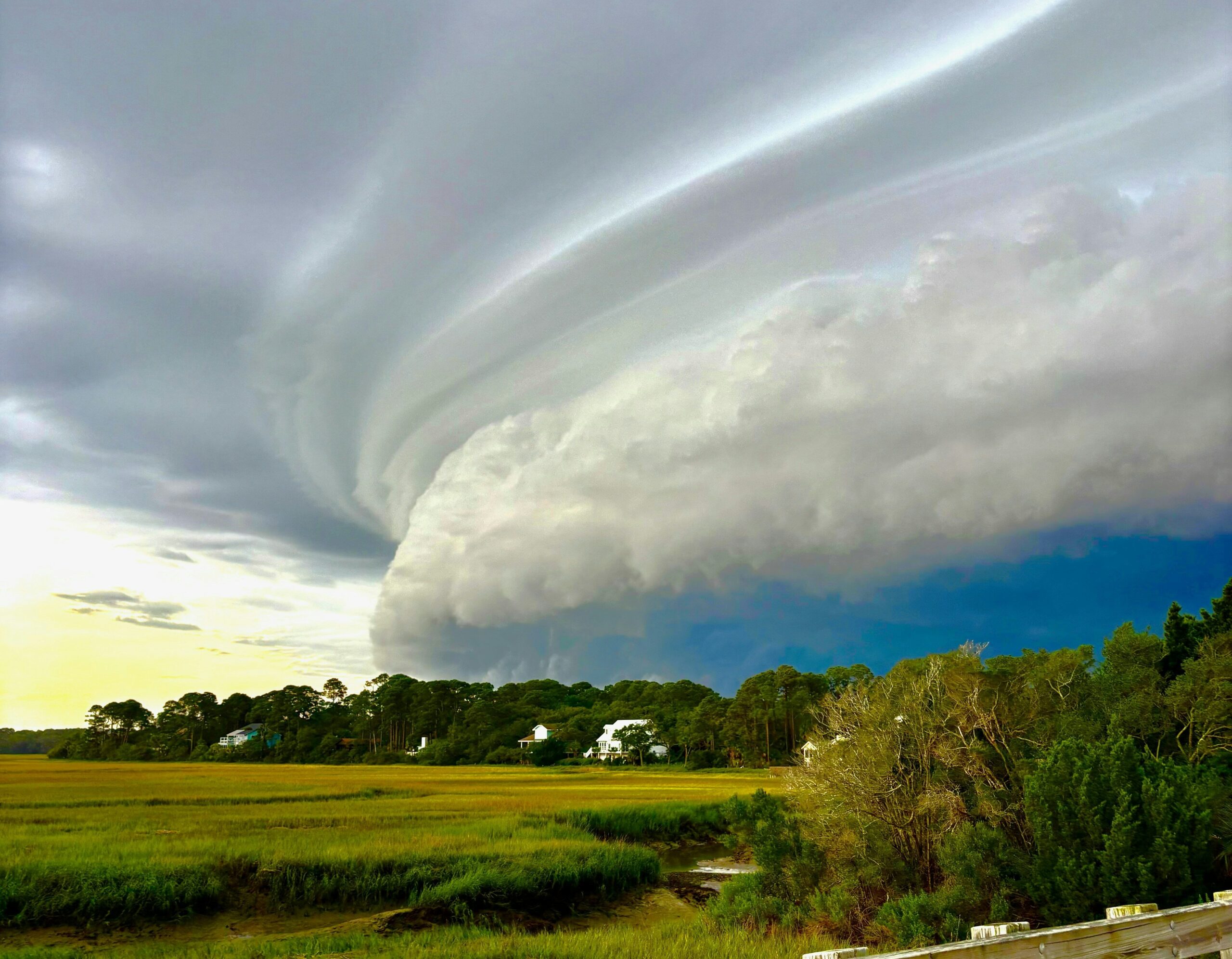
In Psalms 101—106 we see that God is not just about green pastures and cool streams, but also hurricanes and consuming fires.
God’s just and gentle rule
I will sing of loyalty and of justice;
to you O Lord, I will sing.
I will study the way that is blameless.
When shall I attain it?
I will walk with integrity of heart
within my house;
I will not set before my eyes
anything that is base.I hate the work of those who fall away;
it shall not cling to me.
Perverseness of heart shall be far from me;
I will know nothing of evil.Psalm 101:1–4 (NRSV)
This psalm is titled ‘A sovereign’s pledge of integrity and justice.’ It is attributed to David and sets out the pattern for a just rule. It is also a wisdom psalm that echoes the book of Proverbs. In verse 2 – ‘I will study the way that is blameless’ – the verb haskil means both to observe and to get wisdom.
How will the sovereign achieve this utopian kingdom where everyone lives blameless lives out of hearts of integrity? My imagination turns to C.S. Lewis’ Narnia under Aslan’s rule or to the return of the king in J.R.R. Tolkien’s The Lord of the Rings. Has there ever been a completely just and contented world? What would our current world rulers make of the call of verse 1 to sing of loyalty and justice, for example?
David himself fell far short of the ideal portrayed here and only in Jesus has the world seen one who walks wholly in ‘the way that is blameless’. Acknowledging reality need not negate the desire for such a world, for as Brueggemann commented, the psalms encourage us to be boldly anticipatory about what may be, as well as discerning about what has been.
The same is true of our personal lives. We long to be more like Jesus, and yet every day we fail to live up to his example. We do not give up, however, because of the renewed promise of grace and mercy every time we come to the cross. Our disappointment with ourselves turns to joy and encouragement as we take another step along the way ‘with integrity of heart’ (v. 2) and the self-knowledge that enables us to know the way we should take. David knew it and so may we, for God’s mercy is steadfast and eternal.
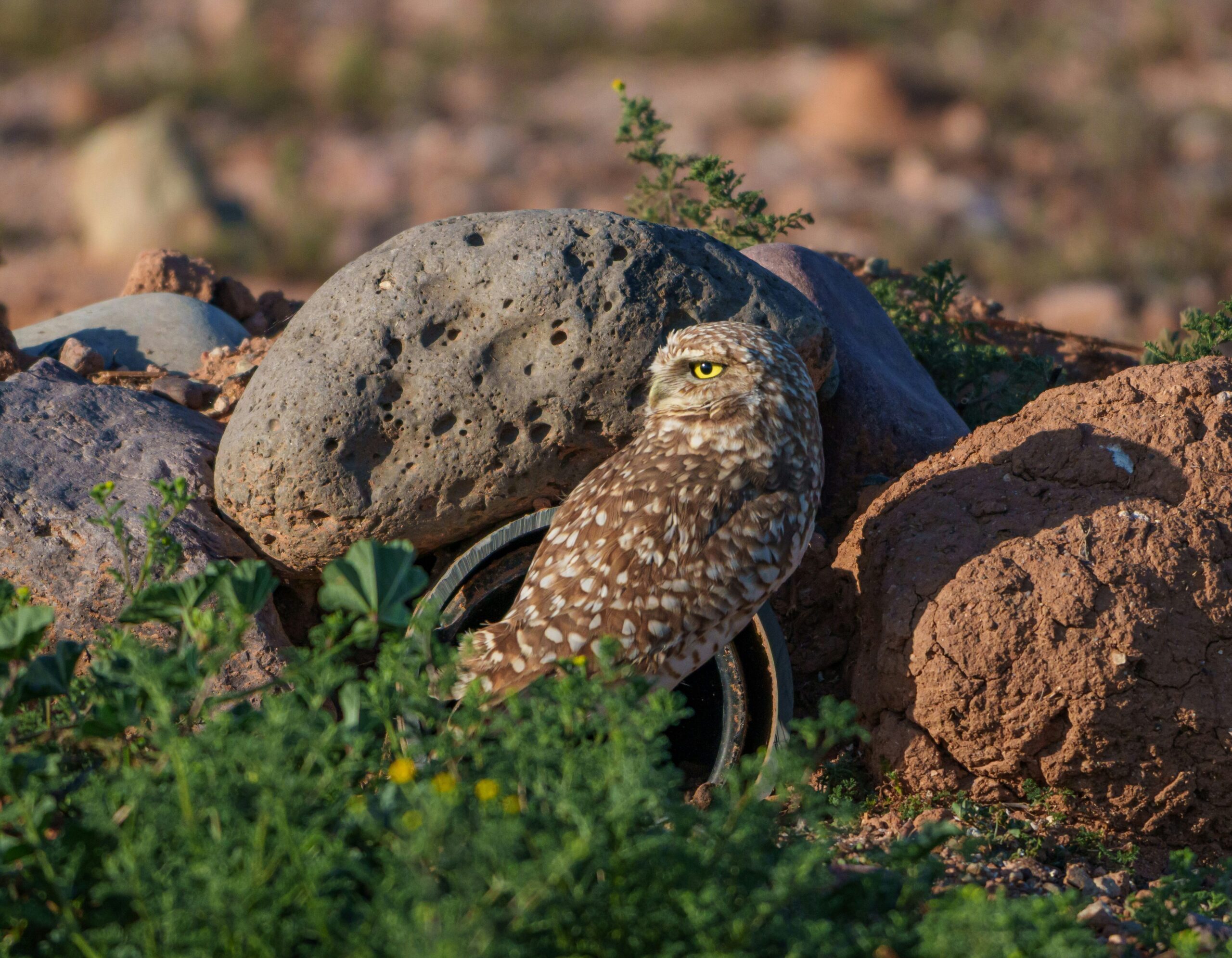
The image of a lonely owl in the wilderness emphasises overwhelming helplessness. This is precisely when the psalms can become our prayers.
An owl in the wilderness
Hear my prayer, O Lord;
let my cry come to you.
Do not hide your face from me
in the day of my distress.
Incline your ear to me;
answer me speedily on the day when I call.For my days pass away like smoke,
and my bones burn like a furnace.
My heart is stricken and withered like grass;
I am too wasted to eat my bread.
Because of my loud groaning,
my bones cling to my skin.
I am like a desert owl of the wilderness,
like a little owl of the waste places.
I lie awake;
I am like a lonely bird on the housetop.Psalm 102:1–7 (NRSV)
The tone here is very different from the previous psalm. It is a cry for help from someone whose sufferings are not explained, but who has found images that vividly portray what he is going through. Smoke and scorched bones conjure up the ephemeral nature of life: its brevity and fragile nature. The writer is so distressed that he forgets to eat, something we may have experienced ourselves, and he begs God not to hide his face in his moment of need (v. 2).
A friend told me about the work of the paramedics who are there to greet asylum seekers arriving by boat. Whatever their views about immigration, at that moment they are acutely conscious of being the first human beings for a long time to look at these cold, hungry, and frightened people in the face, since they left home and loved ones. When a person ‘hides their face’ from us, we become non-persons to them, cut off from love and compassion. There is both a physical wasting away and an emotional death where the heart is stricken and withered. What if that person is God?
The image of a lonely owl in the wilderness emphasises the overwhelming helplessness felt, while the bird on the rooftop poignantly depicts the loneliness of suffering. The images pile up in these early verses to give the sense of utter desolation, which many people who experience that derailed sense of order and security have also felt. This is precisely when the psalms can become our prayers, enabling us to cry out to God with our whole being.