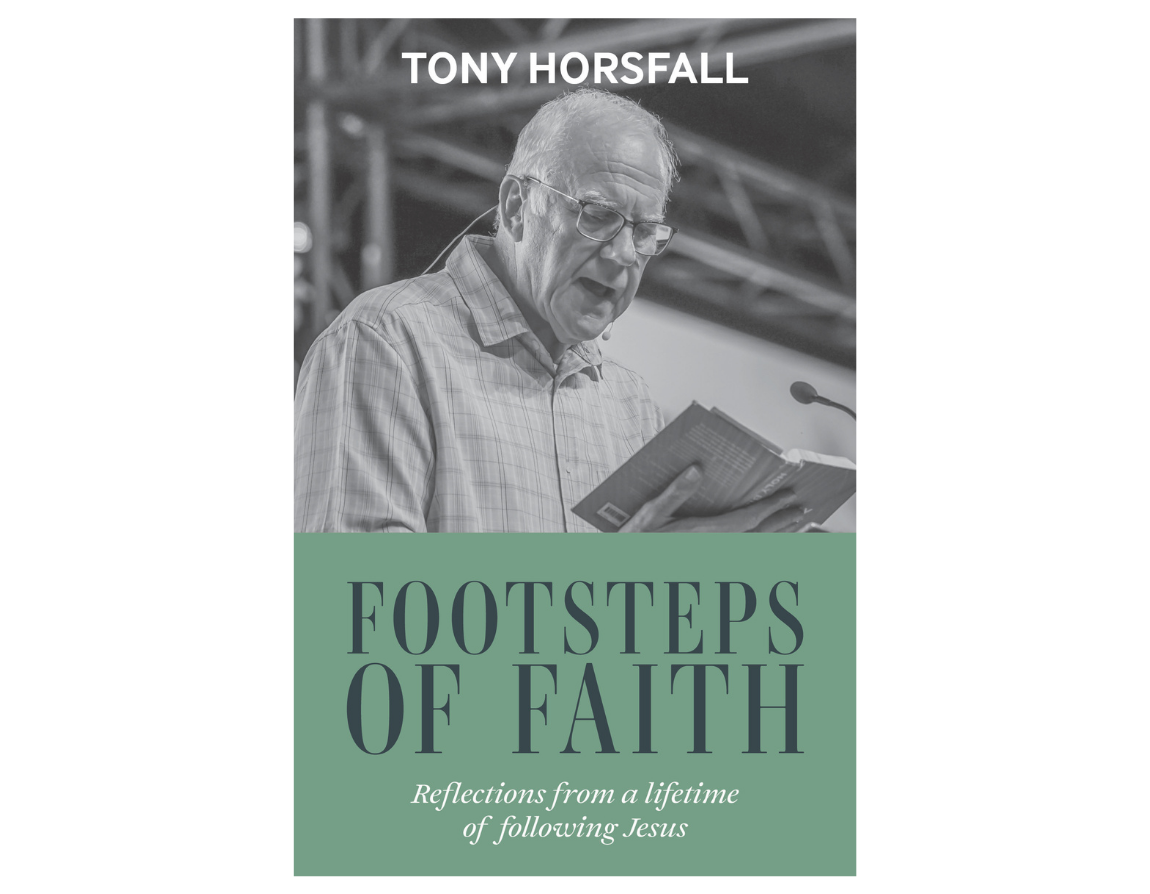

Tony Horsfall reflects on a lifetime of following Jesus in his new spiritual memoir, Footsteps of Faith, published on 22 May. In the first of two extracts he sets the scene.
10 May 2026
Above all, gratitude
‘You, an autobiographer? Why you? Why now? Because it is only in seeing where you have been that you can tell where you are headed.’
—William Bridges
There comes a moment in life when we look back and ask ourselves, ‘What was my life all about? What did it amount to?’
We may reach that place with a feeling of sadness and regret, wishing things had been different. More hopefully, we may come to the point of evaluation with a sense of satisfaction and fulfilment, feeling we have accomplished something meaningful during our brief time on planet earth.
As I look back over my own life, I am fortunate to feel more satisfaction than regret. Indeed, now in my 75th year, gratitude would be my overall emotion. I have so much to be thankful for despite my mistakes and shortcomings, and the painful episodes I have been through. For this I am truly thankful to God.
My ambition, from my youth, has been to follow God’s will for my life. I have aspired to live as well as I can as a disciple of Jesus and to walk in his footsteps. The way has not always been easy and there has been some rough terrain and moments of danger, but at the same time there has always been much joy along the way. Many times, God’s presence has been undeniably real and his blessing unforgettably tangible. It has been, and continues to be, a great adventure.
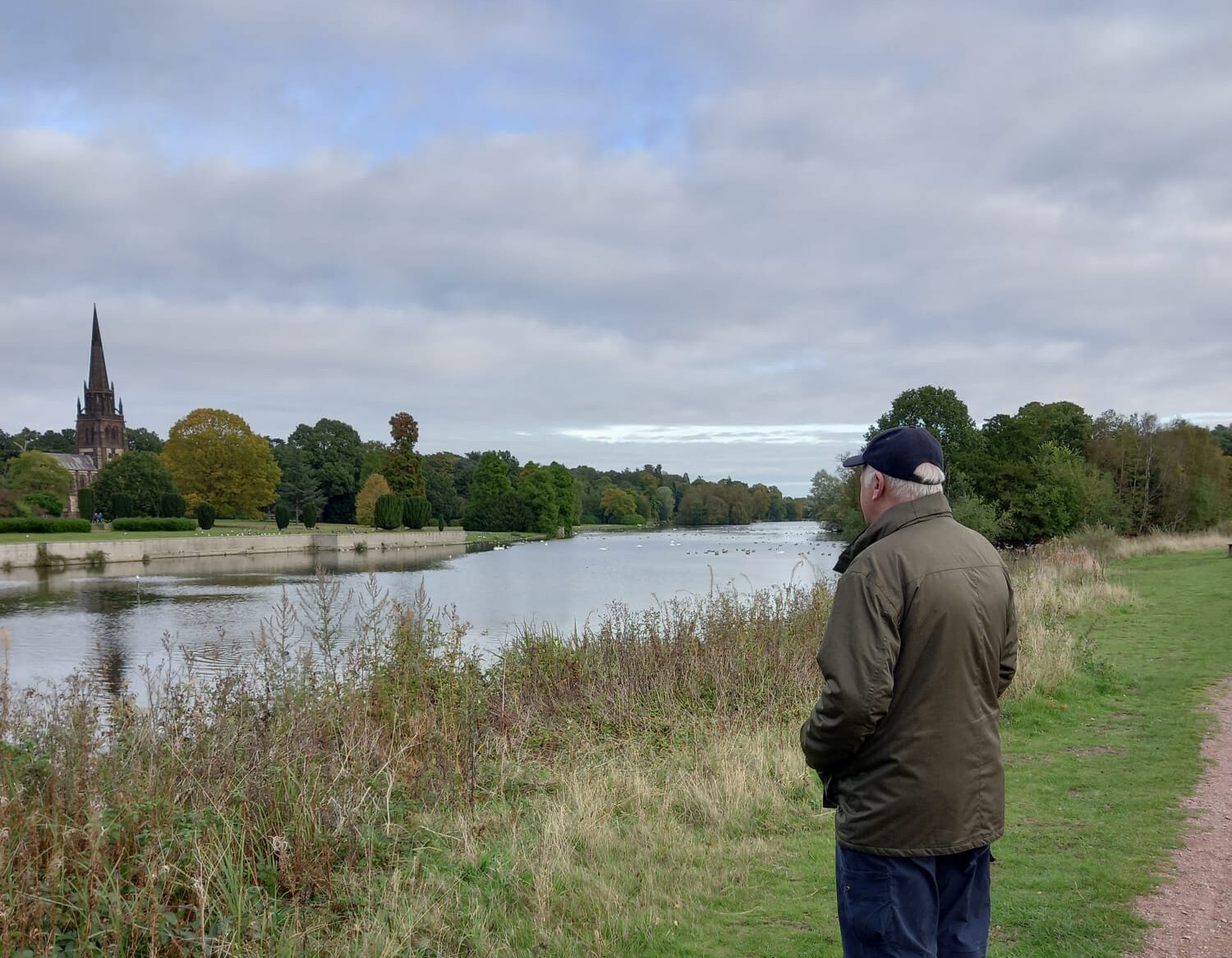
As I look back over my own life, I have so much to be thankful for.
A story written by God
At a conference some years ago, a lady asked about my life. Having mentioned a few highlights, she said to me, ‘My, you have had an interesting life!’ I guess I have, but what disturbed me was her use of the past tense, as if it were almost over! It is not! I am still going strong and still enjoying the adventure of faith – present tense!
It has been said that to be a person is to have a story to tell. My aim in this book is to share with you some of my story (which I hope you will find interesting) and to highlight some lessons from my life of discipleship which may be helpful to you in reflecting on your own spiritual journey. This is not therefore an autobiography in the strictest sense of the word. I am not writing so much about what I have done as about what God has done in me and through me. I am not recounting my accomplishments but describing God’s dealings with me down the years. From this perspective it could perhaps be called a spiritual autobiography, where the story is being written by God. He is, after all, the author and finisher of our faith (Hebrews 12:2, KJV), and we are simply caught up into his bigger story.
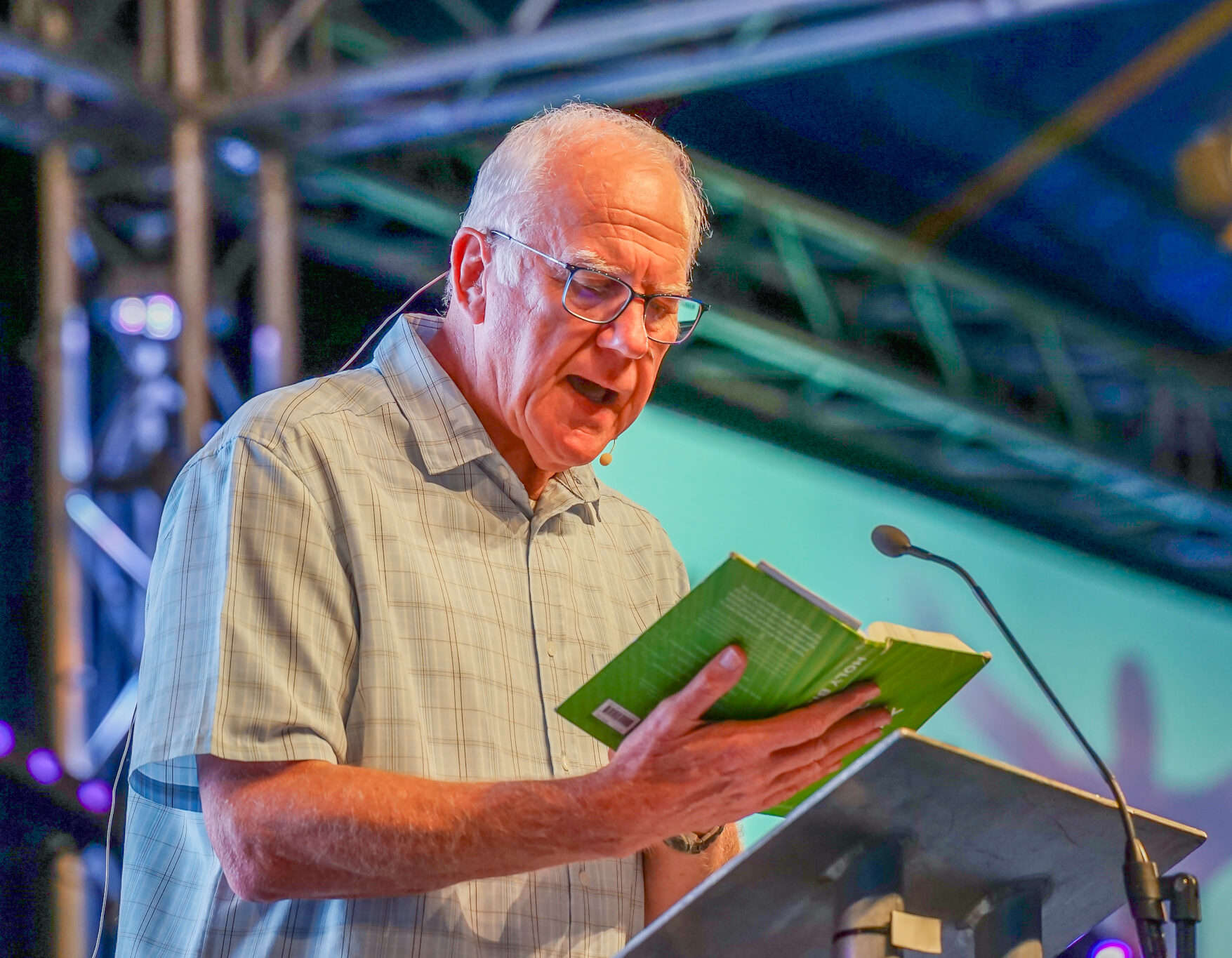
I am not writing so much about what I have done as about what God has done in me and through me.
The adventure of following Jesus
When asked ‘What does your father do?’ my daughter was at a loss for words to describe the nature of my work. She came up with the expression, ‘Well, he’s a kind of religious Indiana Jones!’ I like that, although it may be a slight exaggeration. It does capture though the adventure of following Jesus – often exciting, sometimes daunting, occasionally scary, but always worthwhile and certainly never boring.
Each chapter reflects a specific period of my life and begins with a narrative section telling my story. Added to that is a more general reflection about an aspect of how God may be at work in our lives during that stage. My prayer is that, as you read, you too may be inspired to follow Jesus wherever he leads you; and that as you read you will find yourself offering your life to God again in a joyful surrender to his amazing love.
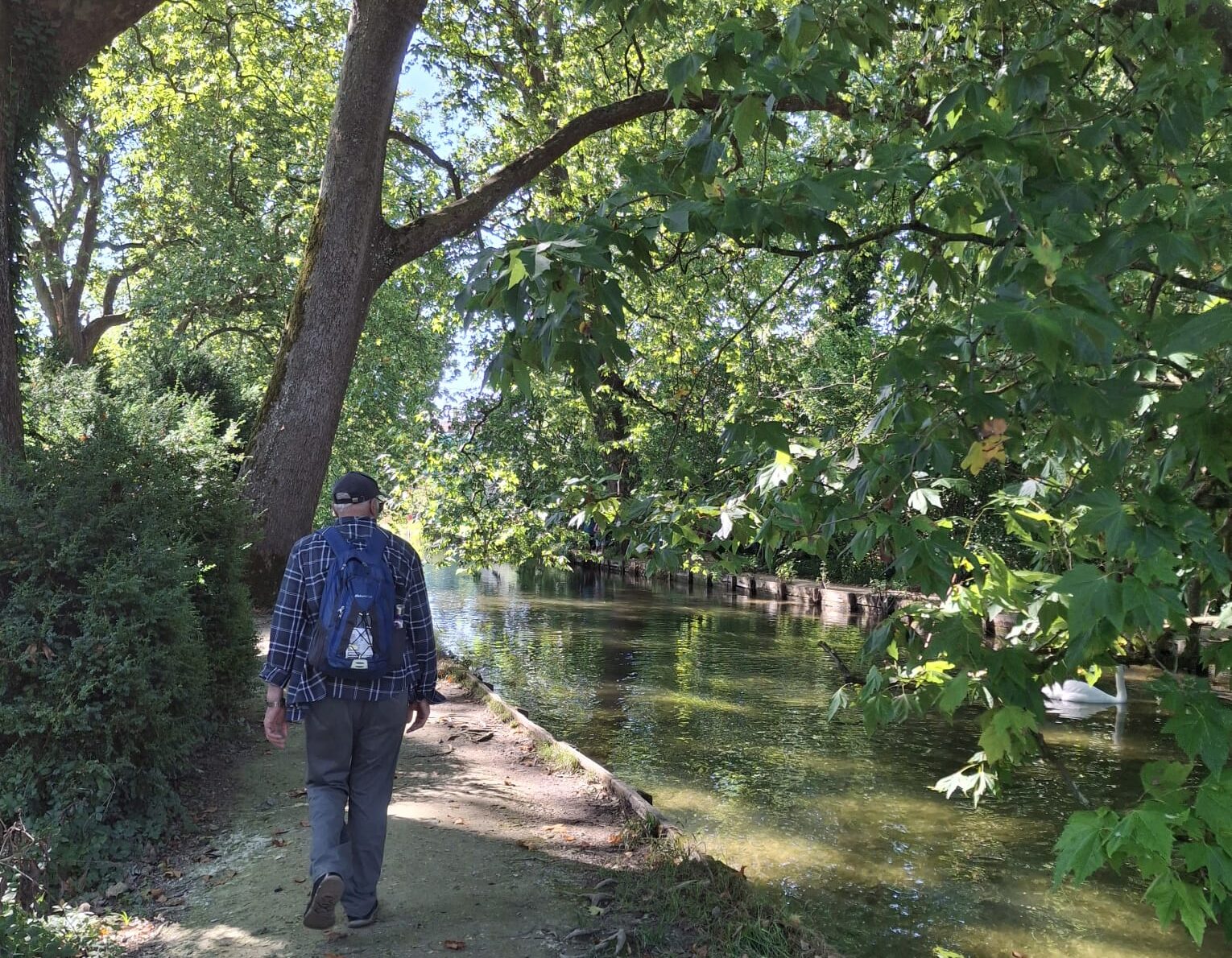
When asked ‘What does your father do?’ my daughter said, ‘He’s a kind of religious Indiana Jones!’
Following (chapter 2)
But God demonstrates his own love for us in this: while we were still sinners, Christ died for us.
Romans 5:8
I remember my first day at Hemsworth Grammar School very clearly. All the first-year pupils (aged eleven), drawn from the surrounding villages and proudly wearing their new school uniforms, were ushered into the dining room for an assembly. I was in the centre of the front row, right under the gaze of Mr Collett, the deputy head, stern-faced and intimidatingly dressed in a black academic gown, worn over his normal clothes.
He placed his notes down on the table in front of me and stepped back as he waited for everyone to take their places. Innocently I peered forward to see if I could read what he had written, but he saw me.
‘Do you normally read other people’s correspondence?’ he bellowed in a voice the like of which I had never heard before. I was shaken to the core of my being and totally humiliated.
‘No, sir,’ I responded shakily.
‘Then don’t try to read mine,’ he said firmly, before beginning his address to the assembled students.
I never did like Mr Collett after that, but fortunately he never taught me, and I gave him a wide berth. Discipline was strong at the school, and offenders were caned. A stripes and stars board publicly showed those whose work was good and shamed those whose work and behaviour were not up to scratch. Sixth-form pupils served as prefects and enforced school rules, often with a heavy hand.
For some reason a favourite penalty imposed on miscreants was to make them write out Psalm 119. I am not sure if this religious exercise enabled or hindered their rehabilitation, or their love of God! One friend who was unjustly picked on by the prefects left the school in the second year because he could take no more bullying.
Once I understood how things worked in this new environment, I was fine and thrived in a school that valued academic achievement and sporting excellence. The grammar school system had its detractors, but it was a gateway for many of us working-class children to aspire to higher things. I particularly liked to read the honours board in the school hall, where the names of those who had gone on to graduate from university were celebrated in gold lettering. I thought, ‘One day, that will be me.’
The playing fields were broad and expansive, with rugby and hockey pitches, tennis courts, and given pride of place, the cricket square. I remember the excitement I felt when I was selected for the first rugby match with the under-twelves, an away game at a school in York. Then, in the summer, learning how to play cricket and realising I could both bat and bowl. The same ambition that fired my academic dreams fuelled my sporting hopes – one day to play for the First XV at rugby and the First XI at cricket.
Intertwined with studies and sport, the school provided other opportunities for growth and development. Chess club and choir were popular, but I enjoyed drama and took part in several school plays. I was never a good actor but doing things publicly on stage helped develop my self-confidence.
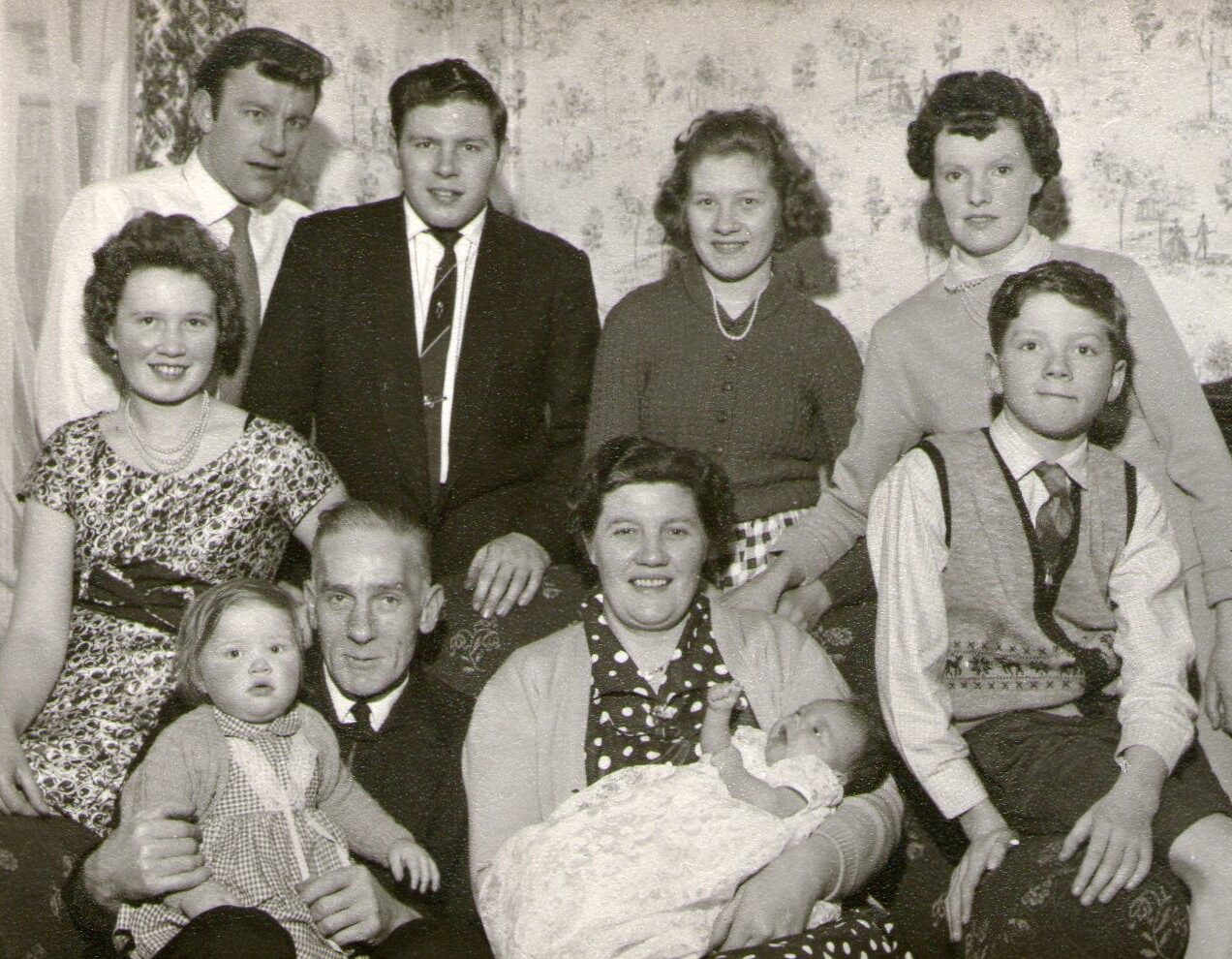
The grammar school system had its detractors, but it was a gateway for many of us working-class children to aspire to higher things.
Right: Tony (far right), aged about 10, with his family.
Teenage years and faith
Life was full in my teenage years, and I was still loosely attached to the chapel. Without realising it I was growing in spiritual awareness. My sister Jean asked me if I would like to go with her to hear some students from Cliff College, a Methodist training establishment in Derbyshire. They were holding special meetings at the chapel, and she thought I would enjoy it as a lot of the young people were going along.
I remember it was an August evening, and I was 14. I went with no expectations at all but was gripped by what the young preacher had to say. For the first time, as far as I can remember, I heard a gospel message – that we were all sinners, and that Christ had died so we might be forgiven and come back into a relationship with God. It affected me deeply, so much so that when he invited anyone who wanted to respond to go out to the altar rail at the front of the church, I was the first to go. I moved forward with tears rolling down my cheeks.
The seed of new life was sown in my heart that night, and although I didn’t realise it at the time, the course of my life had been set – I had become a follower of Jesus…