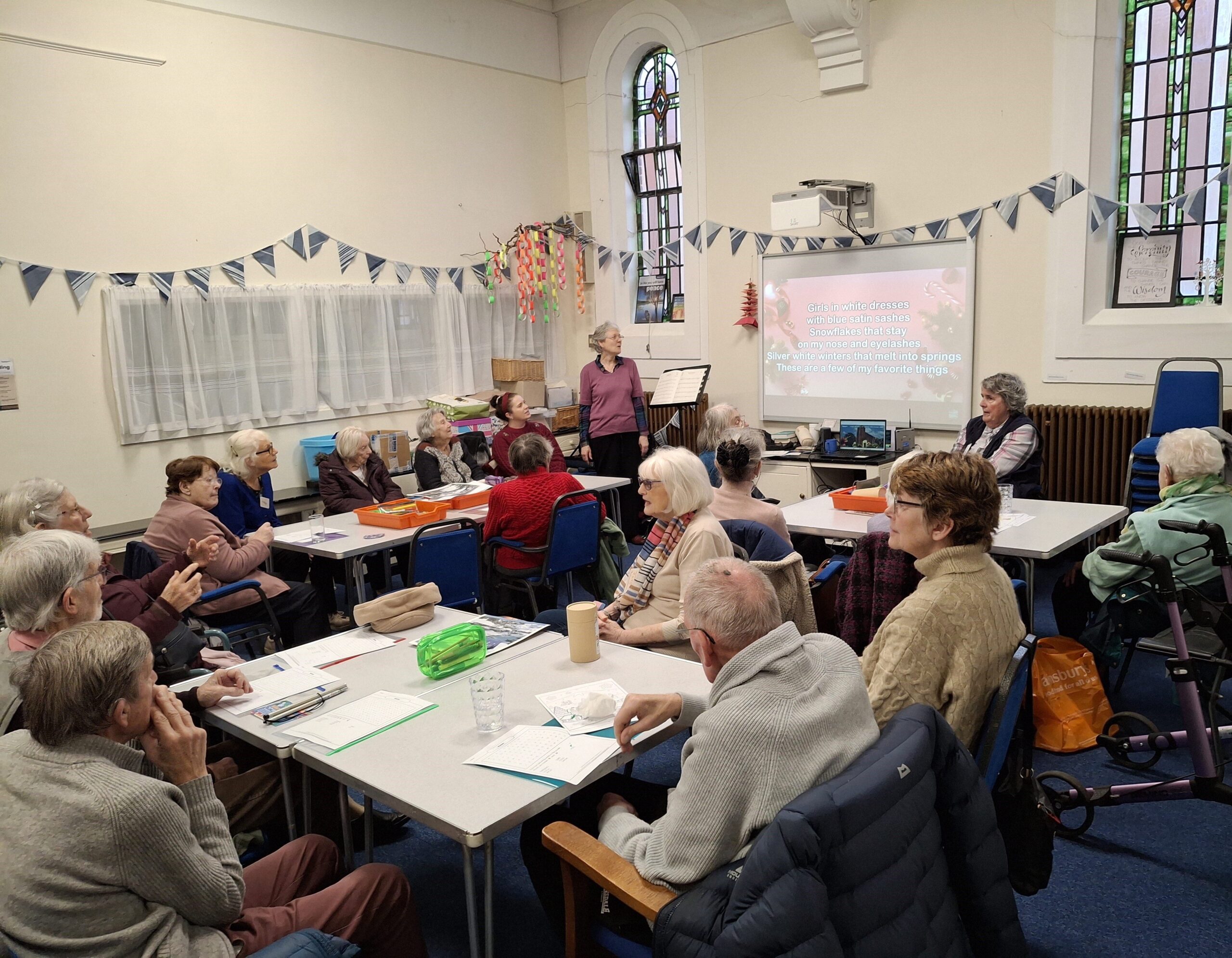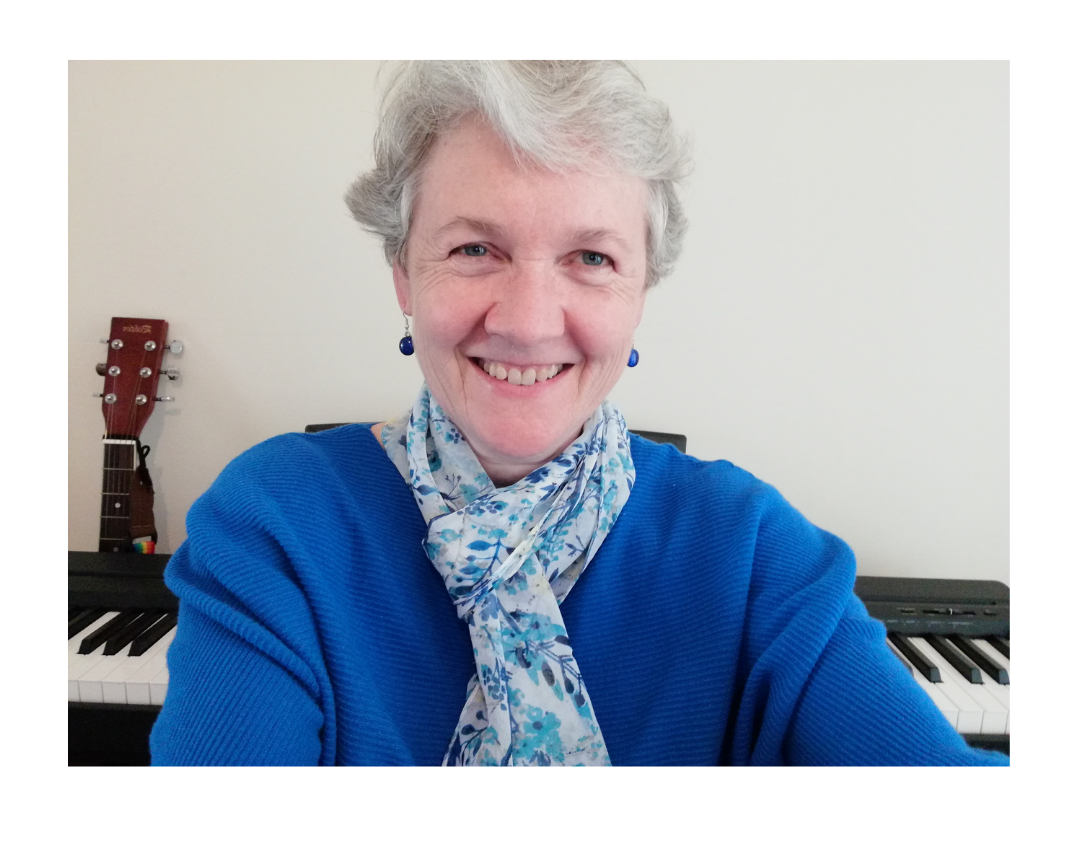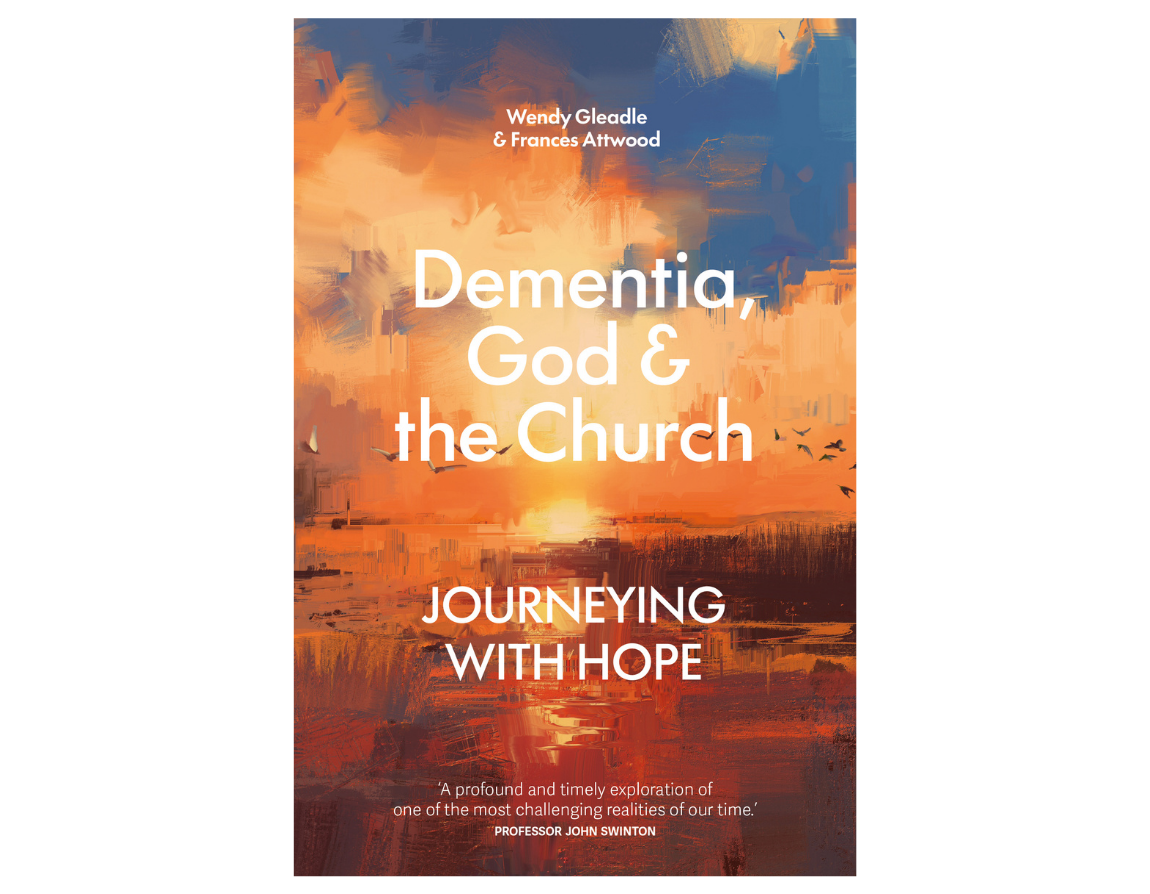

In our second extract from Dementia, God, and the Church: Journeying with hope, Frances Attwood considers how churches could better support families living with dementia. Frances’ section of the book is based on extensive practical experience, wide-ranging research in local churches and communities, and theological reflection. This article is an edited extract from her last chapter.
19 July 2026
A biblical perspective
Whatever you do, work at it with all your heart, as working for the Lord.
Colossians 3:23 (NIV)
Churches are ideally placed, being both historically and geographically in the centre of most communities, to offer care, connection, and social and spiritual support to families living with dementia.
But before they undertake any action, churches need to reflect on their beliefs about dementia and their attitudes to people living with this condition. We are so influenced by the negative messages about the condition that we need to step back in order to allow our thinking to be guided by a biblical perspective. As the first part of this book indicates, Christians should allow their beliefs to be challenged, particularly by the lived experiences of those with faith and dementia.
We begin, then, with the humble acknowledgement that we are all recipients of God’s love before we can do anything: it is God’s regard that attributes worth to people, not any ability.
According to psychologist Tom Kitwood, being a person is a status ‘bestowed’ by others through relationship. It follows that the identity of people living with dementia can be preserved by those around them. As Christian communities we need to enable people living with dementia to sense God’s ongoing personal knowledge of them and to support them in finding ways to express their unique and precious identity as those created in God’s image.