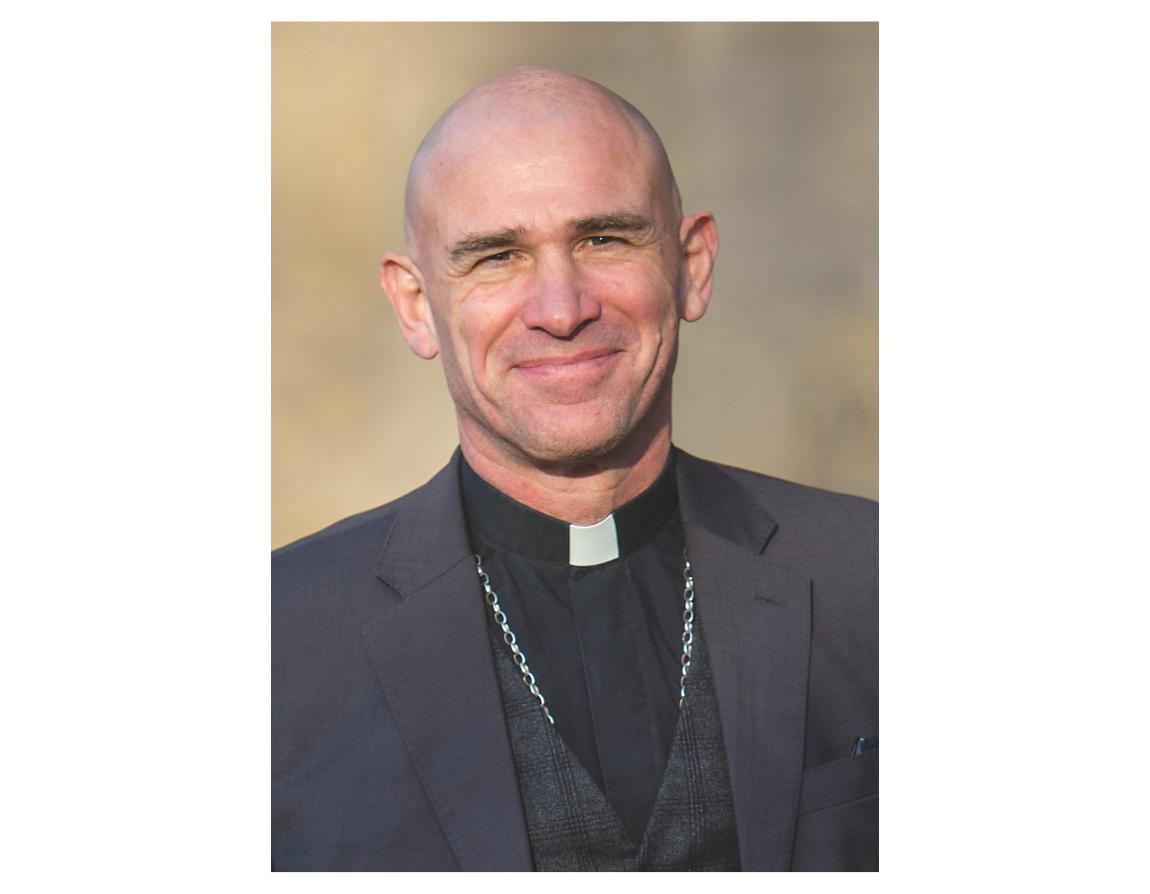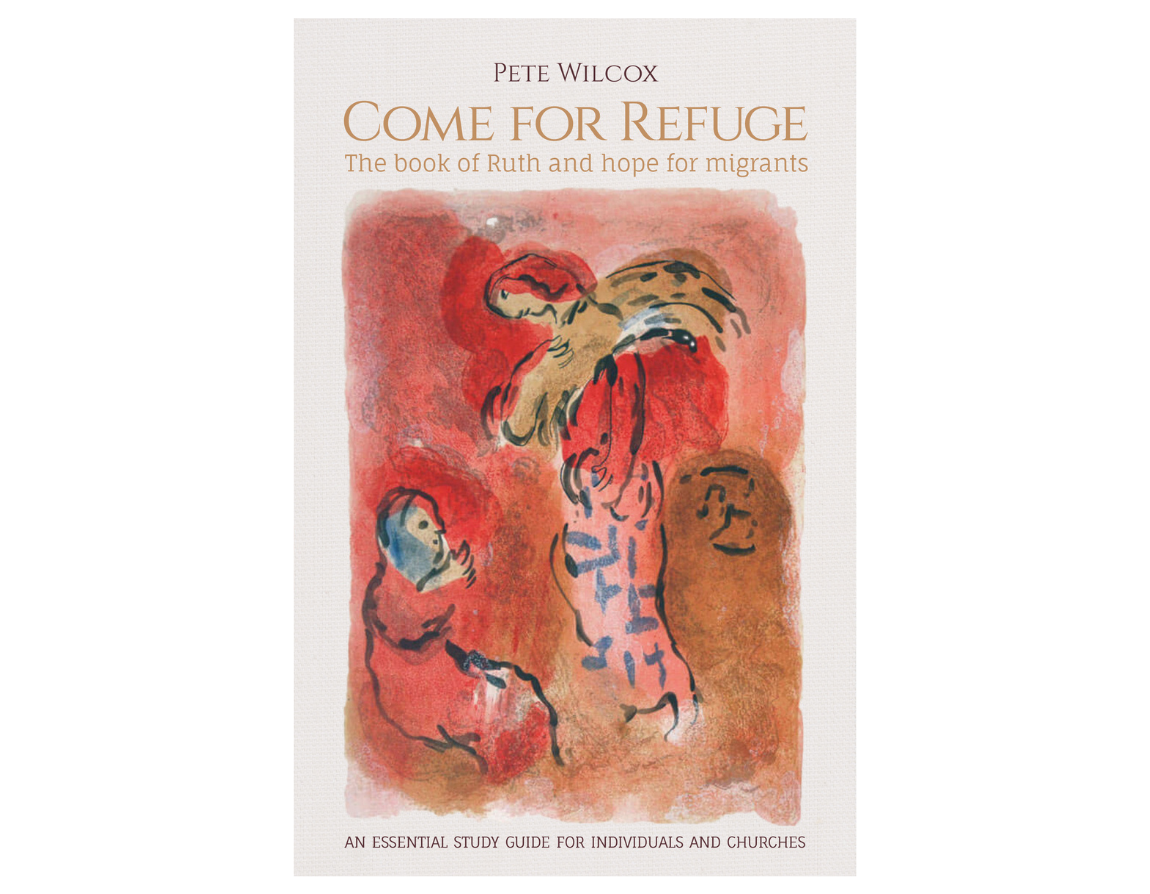

Pete Wilcox, Bishop of Sheffield, explores the striking parallels in the experience of Ruth and Naomi over 3,000 years ago, and that of contemporary refugees and asylum seekers. This is an edited extract from his timely, illuminating, and quietly provocative new book Come for Refuge.
19 April 2026
Lessons for today in the book of Ruth
The book of Ruth is the story not just of one woman, but of two: Ruth and Naomi. Both women had experience of migration: Naomi was an Israelite who went to live as a migrant in the land of Moab; Ruth was a Moabite who went to live as a migrant in the land of Israel. For Naomi, migration was essentially a bitter experience; for Ruth, a much more fulfilling one – she sought and found refuge in Bethlehem and almost certainly never returned to her country of origin.
In its exposition of the book of Ruth, Come for Refuge seeks to pay particular attention to those experiences of migration. I would argue that the text invites this focus, not least by the way in which it repeatedly places stress on Ruth’s migrant status: again and again, sometimes gratuitously, she is ‘Ruth the Moabite’ and once she is ‘the Moabite… from the country of Moab’. Once she describes herself as ‘a foreigner’ – in Hebrew, nākerîyāh, an alien.
However, my sensitivity to this emphasis in the book of Ruth has been heightened by my recent interactions with migrants and refugees in the two cities in the UK in which I have lived in the last twelve years: specifically with refugees and asylum seekers from Iran (and Kurdistan) in Liverpool and with refugees from Ukraine in Sheffield. Their stories of leaving a beloved homeland, of risk-laden and uneven welcomes in a new and deeply unfamiliar country have enriched (among other things) my reading of this biblical text.
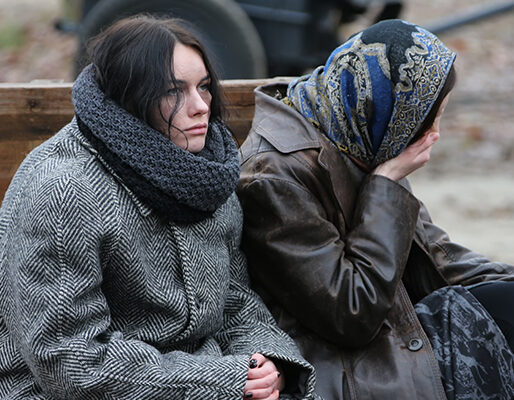
Come for Refuge seeks to pay particular attention to those experiences of migration.
A conversation with the past
That enrichment is what prompted me to experiment with the format in Come for Refuge. I have tried to create a conversation between the experience of Ruth and Naomi, on the one hand, and that of some contemporary migrants, refugees, and asylum seekers, on the other. I am deeply grateful to those individuals who have confided their stories in me and who have trusted me to place their testimonies alongside the Bible story. How far this experiment is a success will be for others to judge, but I am immensely grateful to those whose risky frankness with me made the experiment possible.
As the bishop of Sheffield, it is my privilege to be one of the patrons of a magnificent charity called ASSIST, which seeks to support some of the most vulnerable people in our City of Sanctuary. So it was an obvious step, not least as a way of drawing attention to the extraordinary work of the staff and volunteers of ASSIST, to seek to secure some of these testimonies from among those the charity has supported – though not all the ‘Sheffield’ stories are ‘ASSIST’ stories.
Part of the point of Come for Refuge is to underline the fact that migration is a global challenge requiring a global response. Our experience of increased migration to the UK in recent decades is by no means unique – quite the opposite. On sabbatical, I had barely been in Melbourne for 48 hours before I became aware of the extent of migration to that city at present and of the work of the Anglican Church in seeking to support asylum seekers, refugees, and other migrants there.
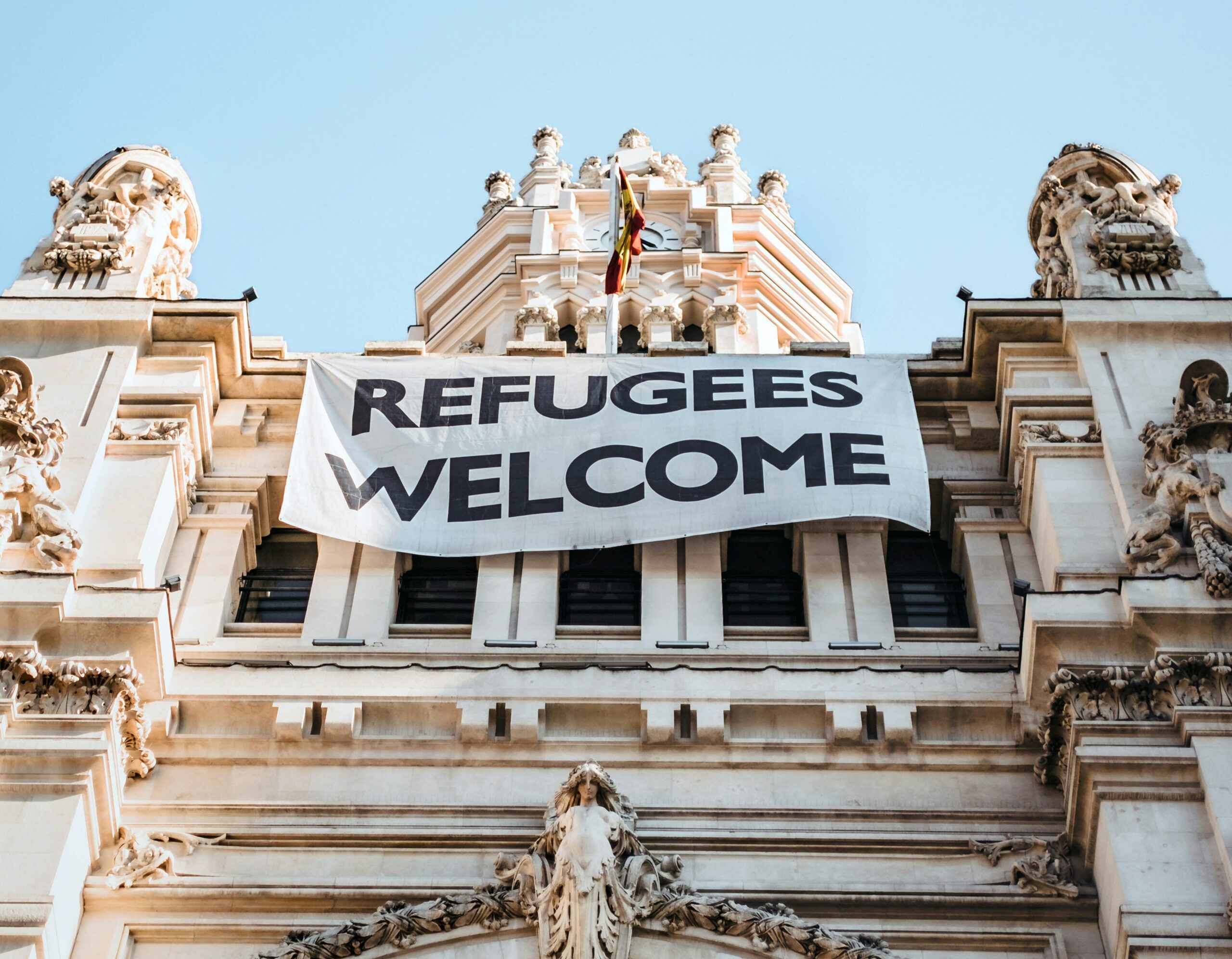
Migration is a global challenge requiring a global response.
The challenge of rising global migration
Migration has been growing globally for decades. The World Migration Report for 2024, published by the United Nations’ International Organization for Migration (IOM), estimates that ‘there are about 281 million international migrants in the world, which equates to 3.6 per cent of the global population’. It goes on to state that this number is ‘128 million more than 30 years earlier, in 1990 (153 million), and over three times the estimated number in 1970 (84 million)’.
Some definitions will be useful at this point, and I have been working with those offered by the IOM. It uses the word ‘migrant’ as an umbrella term with the broadest possible scope, to refer to any person who for any reason now lives in a country other than the country of their birth. In this sense students studying overseas, for example, are migrants.
According to the 1951 Convention relating to the Status of Refugees, cited by the IOM, the term ‘refugee’ has a much narrower meaning. It refers to ‘persons who, owing to a well-founded fear of persecution for reasons of race, religion, nationality, membership of a particular social group or political opinion, are outside the country of their nationality and are unable or, owing to such fear, are unwilling to avail themselves of the protection of that country’.
Thirdly, again using the IOM definition, an asylum seeker is ‘someone whose claim has not yet been finally decided on by the country in which he or she has submitted it. Not every asylum seeker will ultimately be recognized as a refugee, but every recognized refugee is initially an asylum seeker’.
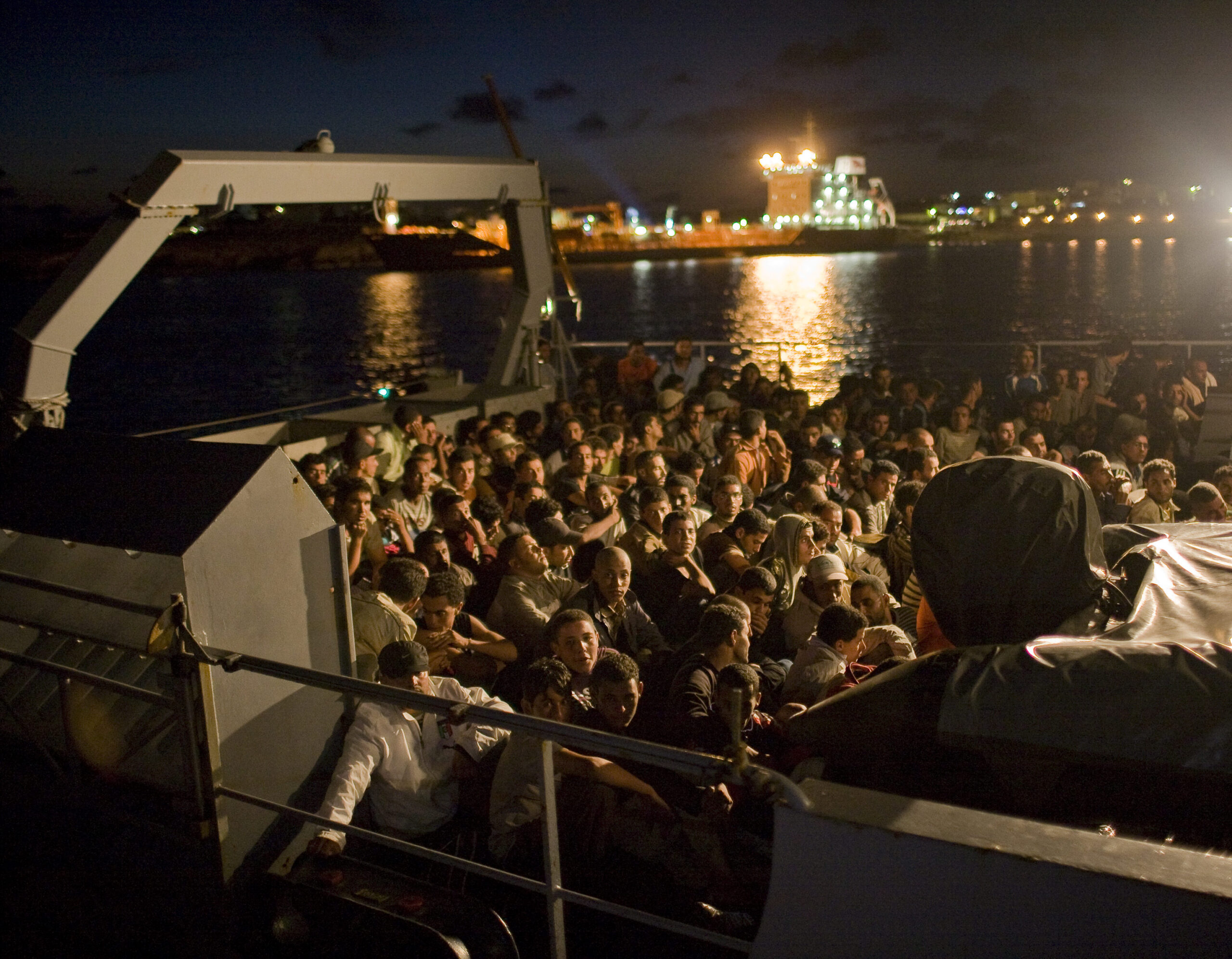
Every recognized refugee is initially an asylum seeker.
Photo: © European Union, 2026, CC BY 4.0, via Wikimedia Commons
Focus on the vulnerable
Every refugee and asylum seeker is therefore a migrant, but by no means is every migrant a refugee or asylum seeker. Migrants may be relatively prosperous and may exercise substantial freedom of choice and agency in making a migration. Obviously, however, there are also many migrants who are not prosperous and who have little freedom of choice or agency when they migrate; they might best be described as ‘forced migrants’. These include increasing numbers of trafficked persons and increasing numbers of climate migrants (seeking to escape famine and drought, for example), as well as migrants who are fleeing conflict or war.
The testimonies of contemporary migrants in Come for Refuge are exclusively those of refugees and asylum seekers – of migrants who have found themselves in vulnerable situations. Although ‘forced migrants’ is not a happy phrase, and not a universally accepted one, I use it to emphasise the vulnerability, not least, of Ruth in the Bible story.
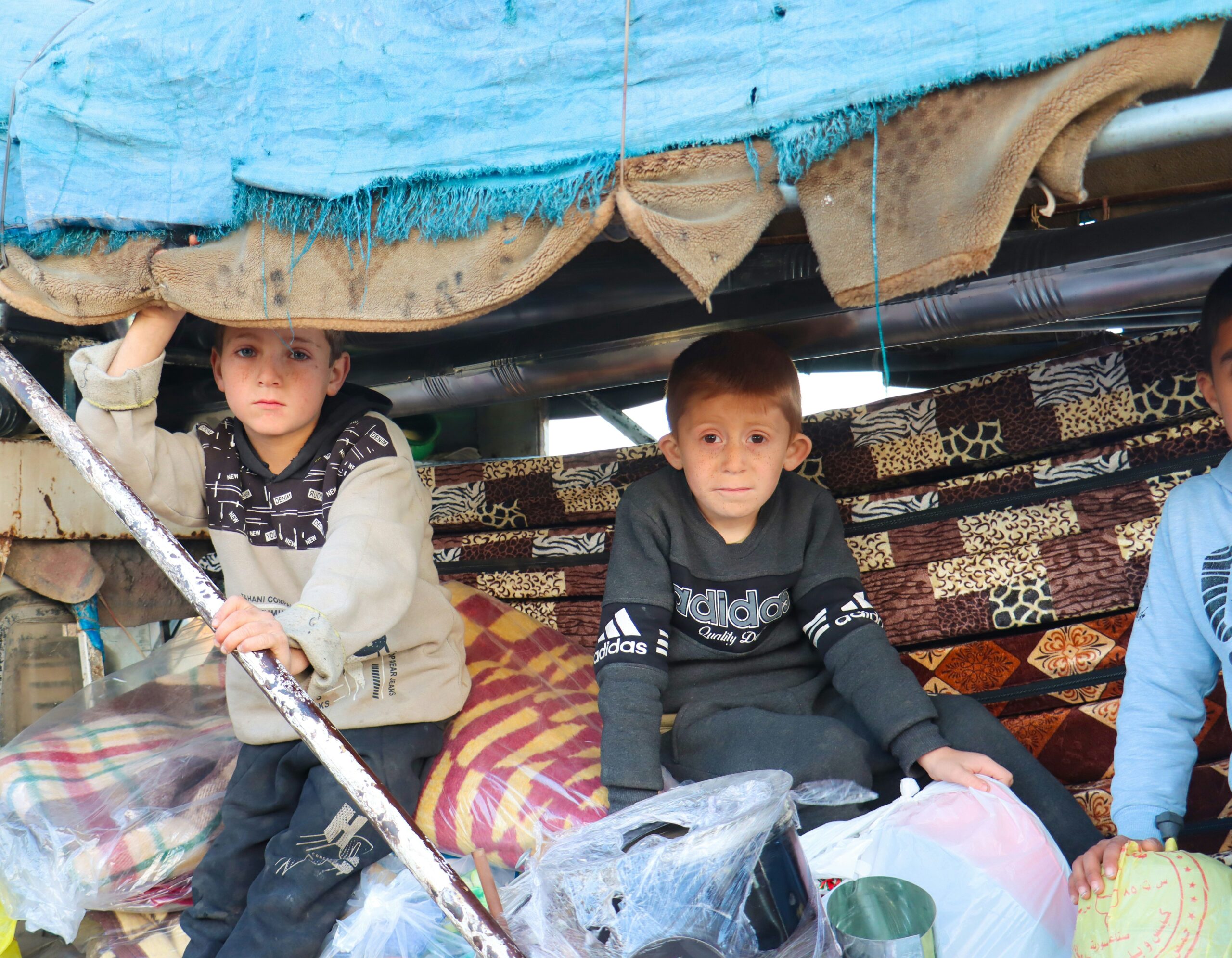
The testimonies in Come for Refuge are exclusively those of refugees and asylum seekers
Changing the narrative
It is interesting to note that the IOM has an essentially positive disposition towards the phenomenon of migration, even towards globally increasing migration, seeing it as part of the solution to the world’s great problems, rather than as a contributor to them. In its ‘Institutional Strategy on Migration and Sustainable Development’, the IOM argues that ‘migration, when well-managed, can be both a development strategy and a development outcome’, contributing to, rather than hindering, the achievement of the UN’s sustainable development goals.
This rather positive stance towards global migration is noticeably at odds with recent government policy in the UK.
Of course, hard cases make bad law, and the book of Ruth is not a policy document. It goes without saying that it is neither possible nor appropriate to extrapolate from the experience of two individuals in a setting over 2,000 miles from Britain and over 3,000 years ago to contemporary national government policy.
However, national government policy becomes inhumane precisely when it loses sight of its impact on individual migrants. So the book of Ruth may nevertheless helpfully encourage us to reflect on what good government policy can look like and what kind of outcomes it might enable.
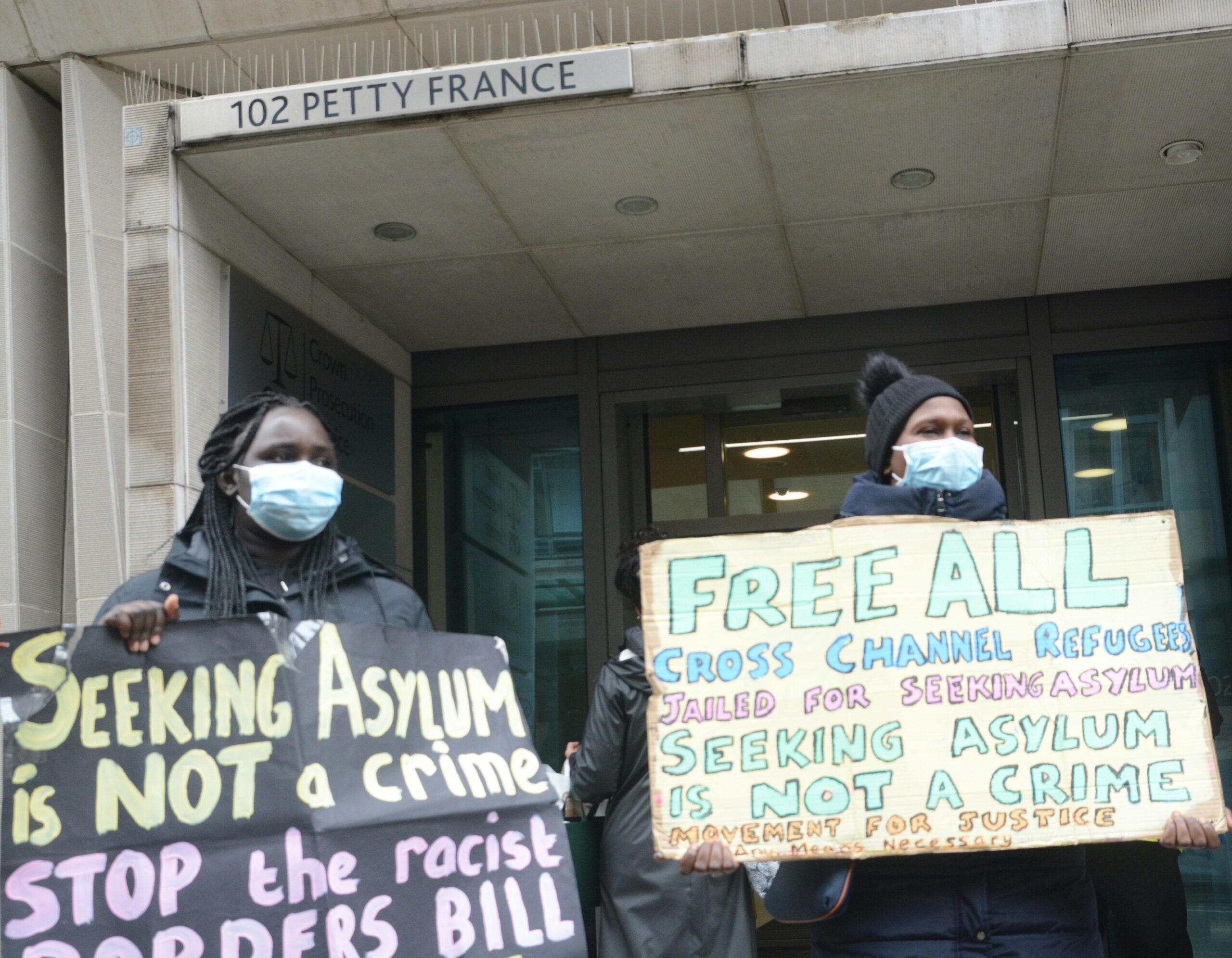
The book of Ruth may helpfully encourage us to reflect on what good government policy can look like.
Taking the text at face value
What is offered here is a literary and theological reading, which takes the text at face value and pays attention to word plays and semantic patterns. Like any short story, the text of the book of Ruth has to be taken at face value, in order to appropriate its meaning. It has to be read realistically – or indeed heard realistically. Elements of the interpretation are inevitably speculative, a reading between the lines, but the aim on such occasions has always been to enable the biblical text to have its full dramatic impact.
The six parts of the biblical narrative describe a journey which contemporary migrants are often hoping to follow: from an initial crisis and calamity to a migration which often calls kinship into question, through a period of subsistence and heightened vulnerability, to a more settled situation of security and well-being, to eventual integration and inheritance, and finally to contribution and legacy. Come for Refuge reflects the same structure:
- Prologue: Crisis and calamity – the demise of a family line
- Act I: Migration and kinship – Naomi’s emptiness
- Act II: Subsistence and vulnerability – Ruth and Boaz in the field
- Act III: Security and wellbeing – Ruth and Boaz on the threshing-floor
- Act IV: Integration and inheritance – Naomi’s fullness
- Epilogue: Contribution and legacy – the renewal of a family line
Next week we’ll post extracts from two of the contemporary stories included in Come for Refuge