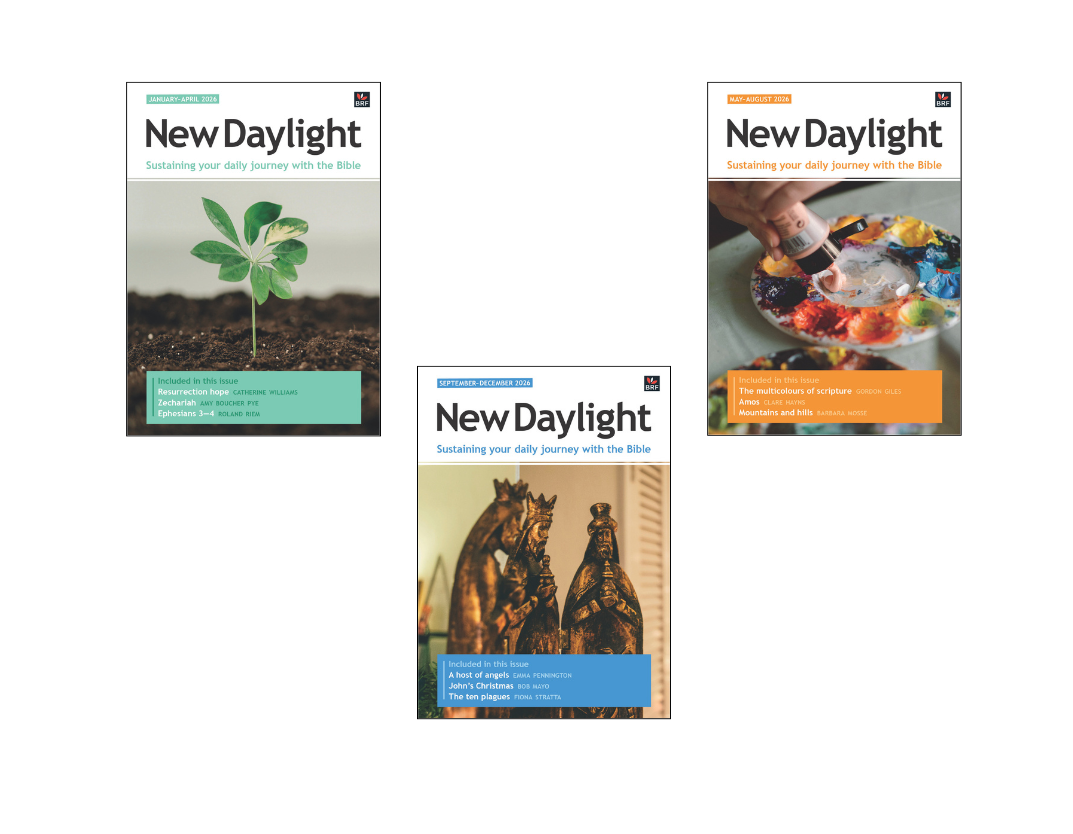

In New Daylight in July, popular writer David Runcorn explores a selection of the Psalms, from 90 to 100. Here is an extract, highlighting the range and the riches he finds.
31 May 2026
All of life is here
At the centre of our Bibles is the large song and prayer book we call the Psalms. It is for all God’s people everywhere. And all of life finds voice there – the yearnings, hopes, suffering, joy, and frustrations that make up the experience of being alive, being human, and trying to understand and follow God in the midst of it all. Nothing is left out.
These psalms – numbers 90 to 100 – have in common a strong confidence in God’s reigning presence, justice, and goodness in the world. They are songs of celebration for that reason.
But their confidence in God does not mean life is easy. They are also songs of longing and yearning.
For the psalmist, as for us, God’s ways can be perplexing. We will hear him coming before God with his surprisingly blunt questions and very honest complaints. We can learn from this; God does not require us to be polite!
The psalms are not a private prayer book for us to pick and select from. There will be times when the psalm we are reading does not seem relevant to us. Its concerns and struggles are not our own. But there will be others for whom it is the only prayer they have.
Christian praying is personal but never private. Have you noticed how, even when we are on our own, we pray ‘Our Father’ not ‘My Father’? We are always praying with the whole of humanity, uniting ourselves with the circumstances, needs, hopes, and joys of people around the world we will never meet, but who are fellow pilgrims. And somewhere out there, others are praying for us.
I hope these extracts from these songs and prayers might lead us into stories and journeys much bigger than our own and our life circumstances. With the psalms, we are praying and seeking God together, rejoicing with those who are rejoicing and weeping with those who are weeping (Romans 12:15). In this way all are welcomed, honoured, and given voice wherever God’s people gather.

Christian praying is personal but never private. We pray ‘Our Father’ not ‘My Father’.
How long?
Lord, you have been our dwelling place in all generations… From everlasting to everlasting you are God. You turn us back to dust… For we are consumed by your anger; by your wrath we are overwhelmed… For all our days pass away under your wrath… The days of our life are seventy years, or perhaps eighty, if we are strong… they are soon gone, and we fly away… So teach us to count our days that we may gain a wise heart. Turn, O Lord! How long?
Psalm 90:1–3, 7, 9–10, 12–13 (NRSV, abridged)
At the centre of a psalm celebrating God as our compassionate, life-giving creator and secure dwelling place are disturbing verses about divine wrath. This is not, however, the contradiction that it first appears to be. God’s wrath does not mean he has stopped being loving. God’s wrathfulness is because of his love. He is angry because he cares, not because he has just lost his temper or rejected us.
God’s wrath is his merciful resistance to all that denies his longing and good purposes in this world. A God who does not know wrath at the state of the world is not a God of justice or love. All that is not God must come face to face with this eventually.
The psalms take human accountability before God very seriously. They stress life’s passing frailty and finitude – like the grass that in a hot climate only flourishes briefly before it dries up in the fierce heat of the sun. It may be that the root of human sin lies precisely in our unwillingness to live with the truth of that.
Life expectancy in that ancient world was not 70 years. Numbers are symbolic in the Bible. ‘Seventy years’ often referred to the length of the exile God’s people were enduring. This gives us a context through which to understand the stress on wrath – overwhelming and divine anger – in this psalm. The people of Israel are in a far country, enduring painful estrangement from their land and their God.
There are people in the world today whose cry is also ‘How long?’ and who wait for a world that more clearly expresses God’s unambiguous goodness and blessing. Today we make this cry with them and for them.
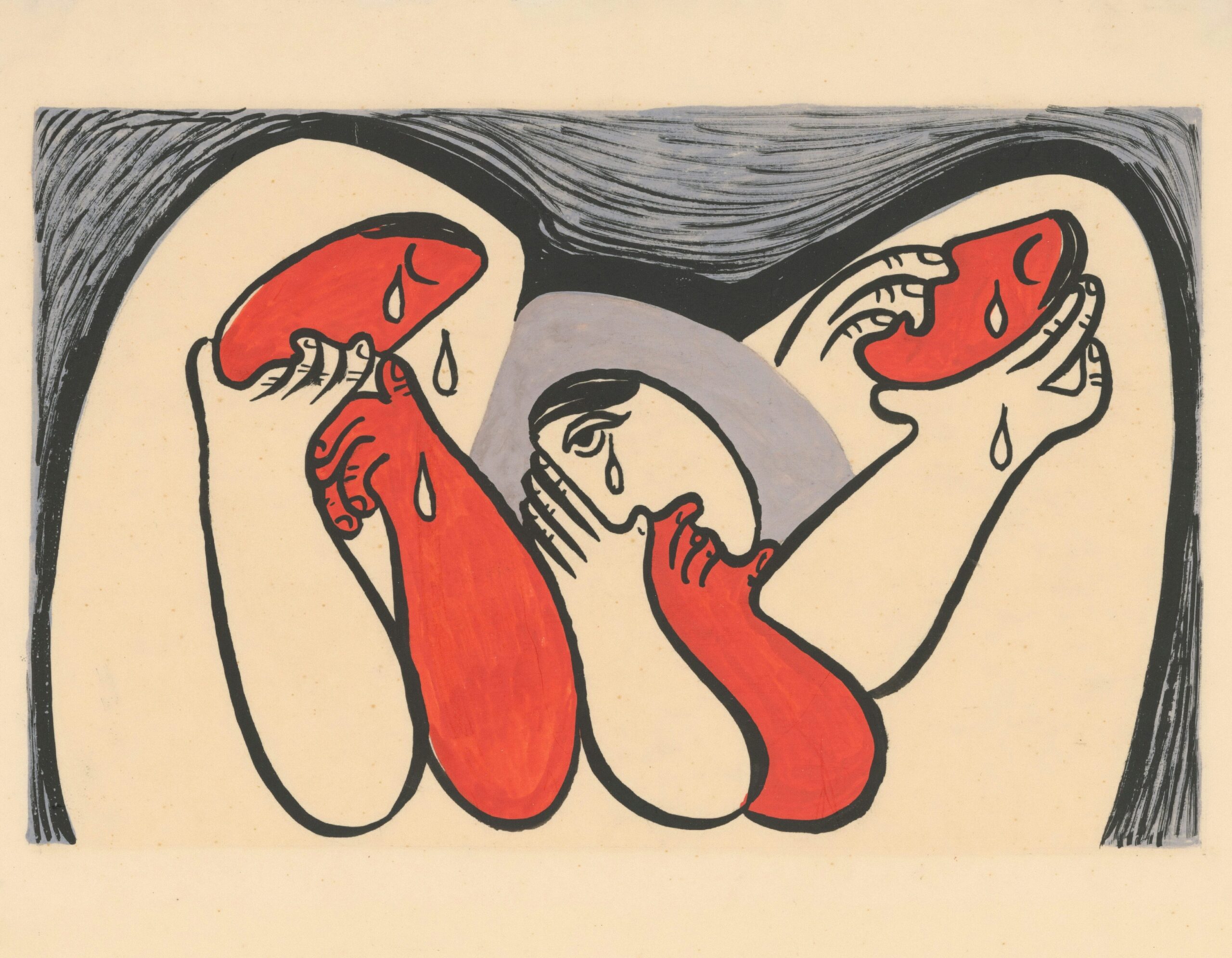
There are people in the world today whose cry is also ‘How long?’
God of many names
You who live in the shelter of the Most High, who abide in the shadow of the Almighty, will say to the Lord, ‘My refuge and my fortress; my God, in whom I trust.’ For he will deliver you from the snare of the hunter and from the deadly pestilence; he will cover you with his pinions, and under his wings you will find refuge; his faithfulness is a shield and defence… Those who love me, I will deliver; I will protect those who know my name. When they call to me, I will answer them; I will be with them in trouble.
Psalm 91:1–4, 14–15a (NRSV)
The English translations do not make it clear, but in the opening two verses of this psalm, four ancient and holy Hebrew names for God are invoked: Elyon (Most High), Shaddai (the Almighty), Yahweh (Lord), and Elohim (God).
In the scriptures, they each express aspects of divine character and purpose. For example, Shaddai is associated with judgement and justice; Yahweh is the name revealed to Moses at the burning bush. We cannot discuss this further now, but why not just read those opening verses aloud, inserting the original Hebrew names? Do not worry about getting the pronunciation right; just try it.
This is the psalmist’s way of saying that life is encompassed by the whole revelation of God’s character and actions. In Hebrew faith, to invoke the name of someone is more than to talk about or mention them. It is to make them effectively present. This is a psalm of robust confidence in the context of a world of frequent danger, hazards, evil, and opposition to true faith.
To trust yourself to such a God is to know your true home and dwelling place and to have a refuge when you need it most.
Towards the end of the psalm, this confidence towards God and divine protection becomes so strong the voice tips over into the first person. God actually takes over the telling of it: ‘Those who love me, I will deliver, protect, answer, be with them in trouble, rescue, honour, satisfy – and show my salvation.’ Everything we need is here. What more is there to ask for?
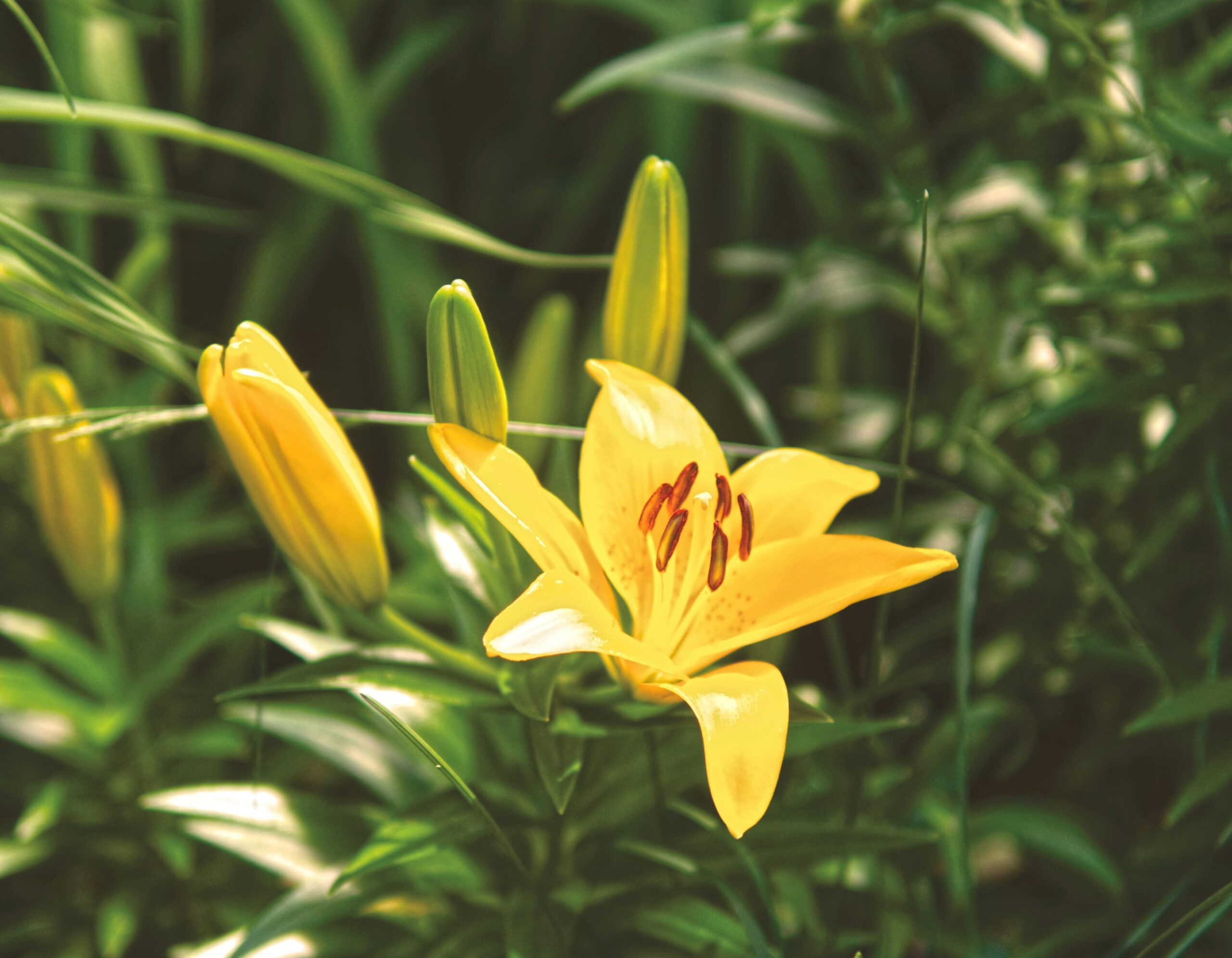
In the psalms the created world is vibrantly alive in God.
The first Bible
Let the heavens be glad, and let the earth rejoice; let the sea roar and all that fills it; let the field exult and everything in it. Then shall all the trees of the forest sing for joy before the Lord, for he is coming, for he is coming to judge the earth. He will judge the world with righteousness and the peoples with his truth.
Psalm 96:11–13 (NRSV)
What is your relationship with the created world around us? We are much more aware, in our times, of our capacity to damage or even destroy our earthly home. Yet in the Bible creation is so much more than something we should be looking after better (though this is also clearly so).
In the psalms the created world lives in joyful partnership with humanity, in the life of God. The universe is vibrantly alive in God. As today’s verses illustrate, this is often expressed in a playful exuberance. Trees, fields, mountains, stars, rivers, and the waves of the sea dance, sing, clap, and shout for joy ‘before the Lord’ (v. 13).
This physical world is not inferior to the ‘spiritual’ world. Christian faith has been guilty of thinking like this. For the earliest Christian teachers, the universe was ‘the first Bible’ (Olivier Clément, The Roots of Christian Mysticism, New City, 1993, p. 27). It received its life from God billions of years before the first humans walked upon the earth. It has been a revelation of God’s life and ways long before language existed and humanity tried to put all this wonder and meaning into words.
The contemplative monk Thomas Merton was reflecting the awareness of the psalms when he movingly wrote: ‘There is, in all visible things, an invisible fecundity, a hidden wholeness. It rises up in wordless gentleness and flows out to me from the unseen roots of all created being’ (Raids on the Unspeakable, New Directions, 1964, pp. 9–10).
‘Consider the lilies,’ said Jesus (Luke 12:27), who frequently taught using examples from the natural world. With the psalms, let us cultivate our partnership with the living world around us – learning to listen to it and to see and hear what it reveals of the unseen God.