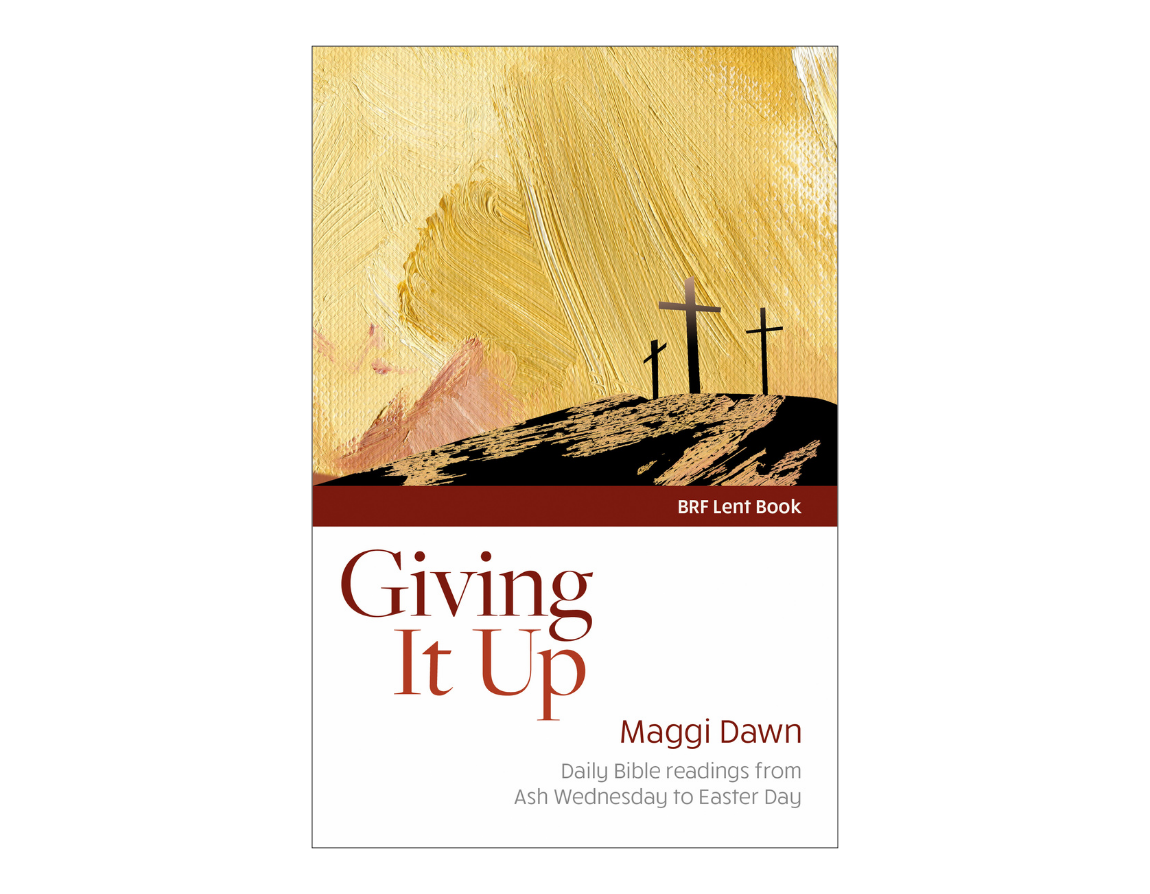

Maggi Dawn, author of our 2026 Lent book Giving it Up, reflects on the symbolism of Palm Sunday.
29 March 2026
Rejoice greatly, Daughter Zion!
Shout, Daughter Jerusalem!
See, your king comes to you,
righteous and victorious,
lowly and riding on a donkey,
on a colt, the foal of a donkey.
Zechariah 9:9 (NIV)
Not a white stallion
Earlier in the spring, my husband and I set out to walk a couple of miles along the north bank of the Thames to see an exhibition. We didn’t expect it to take more than half an hour. But no sooner had we turned the corner at Blackfriars Bridge than we found ourselves swept into a huge, organised walk. All the participants were wearing badges that said ‘walking marathon’, along with the logos of various charities or causes they were supporting.
We fell into conversation with a few of these people, who said that among the reasons they loved to take part was that it was ‘like a marathon for ordinary people’ – no fanfare, no press or cameras, no trophies to win, no personal bests, just hundreds of people turning up to join a walk with a purpose. There was a stark contrast between this walk and the level of importance and publicity given to a huge event, such as the Olympics or the World Cup.
You might say there was a similar contrast between a typical triumphal procession in the ancient world and the procession that Jesus joined from Bethany to Jerusalem on the first Palm Sunday. In the ancient world, if a king processed through the streets or made a triumphant entry into an arena, you would expect him to be riding on a magnificent horse – probably a white stallion – with a great deal of pomp and circumstance. Kings were not usually shy and retiring, and people wanted a confident and visible leader, so public processions were designed to enhance the king’s image and to gain public support.
But when it came to that first Palm Sunday, the evidence suggests that the procession was much more like the ‘walking marathon’ – not a grand event planned especially for Jesus, but an annual event, something like a pilgrimage, that ordinary people took part in every year.

That first Palm Sunday procession was much more like the ‘walking marathon’.
Confounding expectations
On that particular occasion, just a few days before Jesus was arrested and put to death, he and his friends joined the procession at Bethany. Soon after that they found him a donkey to ride on, and at some point, as the crowd walked down the hillside from Bethany to Jerusalem, he became the centre of attention. Even so, this was nothing like the kind of triumphal procession you would associate with kings.
All the way through the gospels, we see Jesus turning people’s expectations upside down. They expected a saviour figure to be sombre and serious, perhaps like John the Baptist in his hair shirt and ascetic lifestyle, but Jesus regularly wined and dined with all kinds of people, and turned water into wine. They hoped for a Messiah who would overthrow the Roman occupation; what they got was a man who told them to put their weapons down. They thought a Messiah would proclaim himself king; but Jesus consistently pointed them away from himself.
And now, on the way down to Jerusalem, he turned things upside down once again. Rather than an event planned to showcase him, he just slipped into an annual event with the ordinary people. Instead of a magnificent white stallion, he rode on a young donkey.
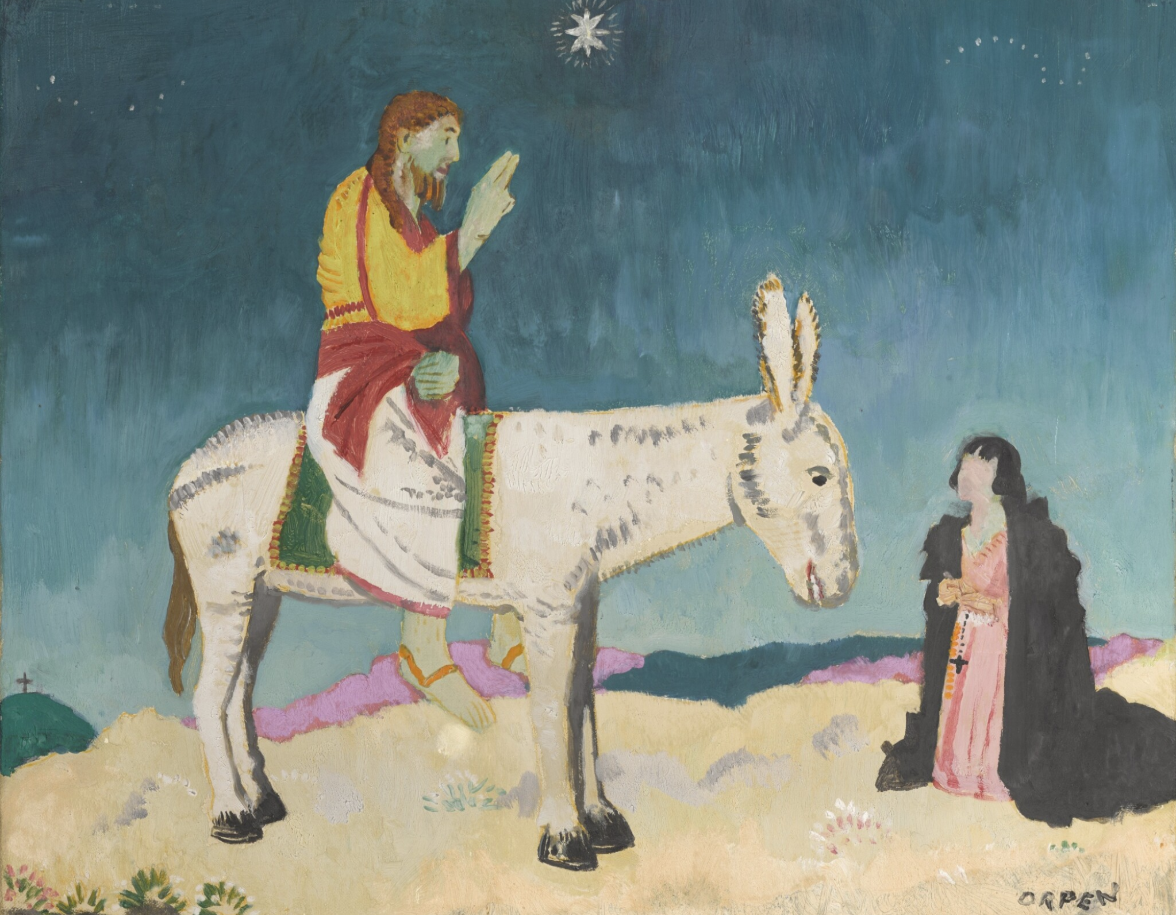
All the way through the gospels, we see Jesus turning people’s expectations upside down.
Growing recognition
What did it all mean?
Maybe, among the crowds, there were many who simply saw it as that controversial preacher and miracle worker making his pilgrimage into Jerusalem along with everyone else. But others – especially the disciples, who had been listening for some time to Jesus as he made oblique references to suffering, death, and resurrection – might have been adding together the symbolism of kings on horses and the prophecy concerning a peaceable Messiah riding a donkey’s colt (Zechariah 9:9).
Perhaps the cries of ‘Hosanna’ included some who were just carried along by the excitement of the crowd – but others whose recognition of him was growing by the hour.
Even so, I imagine that they still did not foresee what was coming next. They did not expect to see a Messiah on a cross, any more than they expected to see a king on a donkey.
This article is adapted from Giving It Up: Daily Bible readings from Ash Wednesday to Easter Day.