

Tony Horsfall reflects on the nature of discipleship in our second extract from his new memoir Footsteps of Faith, published on 22 May.
17 May 2026
The essence of discipleship
One of the major weaknesses of the western church is that we have many church attenders, but not so many disciples. With a background of cultural Christianity, many are happy to take the name ‘Christian’ but never realise the implications of what it truly means. They are happy to attend church occasionally, but have never either heard or responded to the claims of Jesus upon their lives. Consequently, a form of non-discipleship Christianity is prevalent in many churches, which greatly reduces the effectiveness of their mission in the world as well as robbing individuals of the joy of a full-blown relationship with Jesus.
From my earliest days as a believer, I was taught that the call to follow Jesus is to be taken seriously. As Bill Hull says in his book The Complete Book of Discipleship (Nav Press, 2006), ‘Discipleship isn’t a programme or an event; it’s a way of life. It’s not for a limited time, but for a whole life.’ Encouraged to read the Bible regularly, I saw for myself that Jesus called his followers to give themselves fully to him and his purpose in the world. When he called those first fishermen-disciples they left their nets and followed him gladly. He taught them this principle:
‘Whoever wants to be my disciple must deny themselves and take up their cross and follow me. For whoever wants to save their life will lose it, but whoever loses their life for me and for the gospel will save it.’
Mark 8:34–35
Clearly, there is a cost to following Jesus, but surrendering to his will for our lives is the way in which we discover purpose, meaning, and fulfilment.
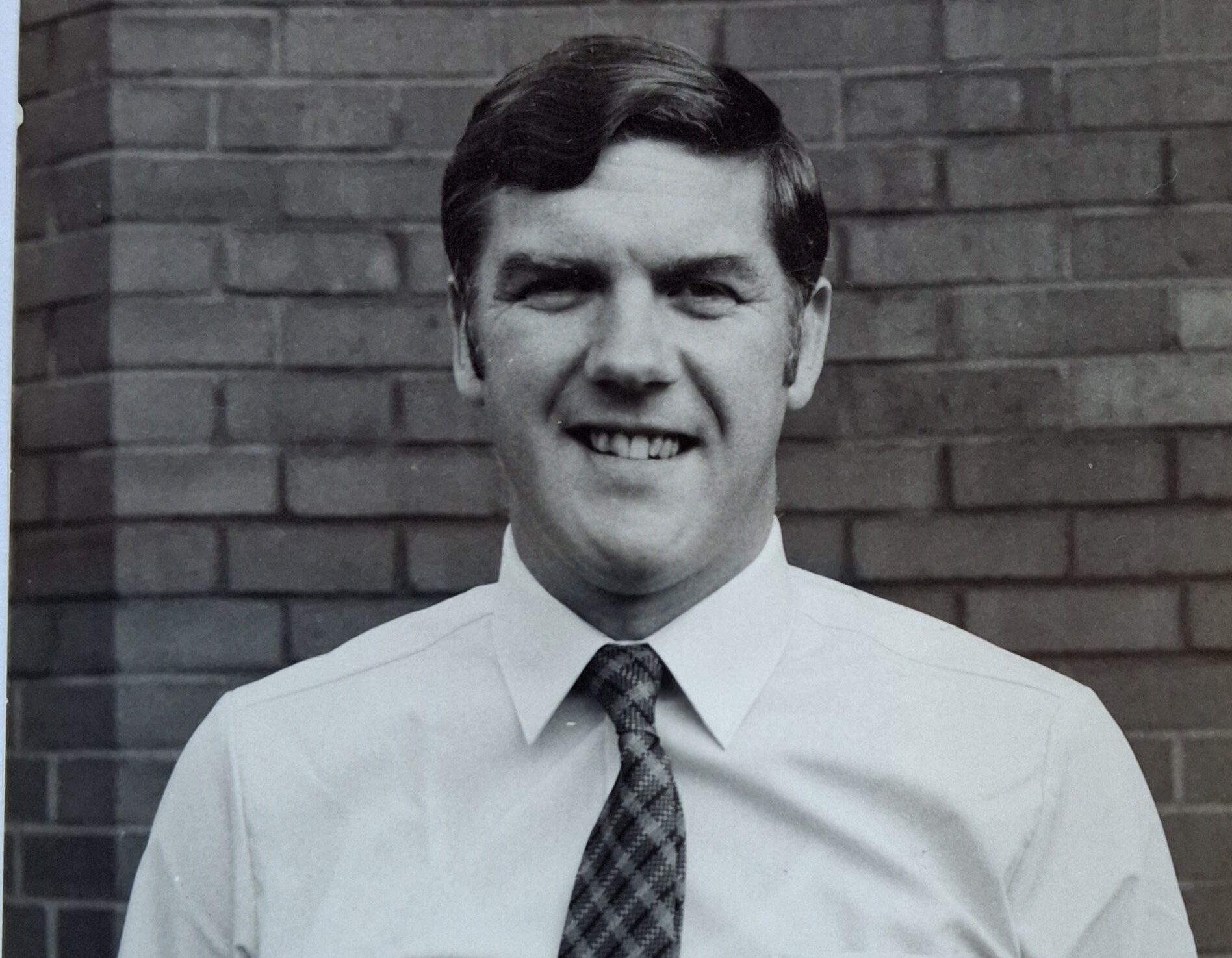
From my earliest days as a believer, I was taught that the call to follow Jesus is to be taken seriously.
A battle to be fought
Such a surrender does not come easily however, and for me as for most would-be disciples, there was a battle to be fought – between what we want and what God wants. It is relatively easy to come to know Jesus as Saviour, with the attendant benefits of forgiveness and new life, but an altogether different matter to crown him as Lord of our lives. There will often be a specific battle ground where the issue of control is fought out.
In my own case it involved yielding my involvement in sport to God and relinquishing a relationship that was unhelpful. I was good at sport, but increasingly games were played on Sundays, and we were taught that church attendance should have the priority. Nowadays Christians have a more open attitude to Sunday sport, seeing the opportunity to be involved with those without faith as a natural way to build relationships. In the 1960s this was not the case, and sadly my sport had to take a back seat.
Both decisions were painful, but both opened my heart more fully to God and prepared me for embracing his good and perfect will for my life. Both were testing grounds, helping me to learn obedience and submission to God. What made this possible for me was the knowledge of a greater love, Jesus’ love for me, displayed so magnificently at the cross. In the words of a great hymn:
Love so amazing, so divine,
Demands my soul, my life, my all.
Isaac Watts (1674–1748)
This was my motivation.
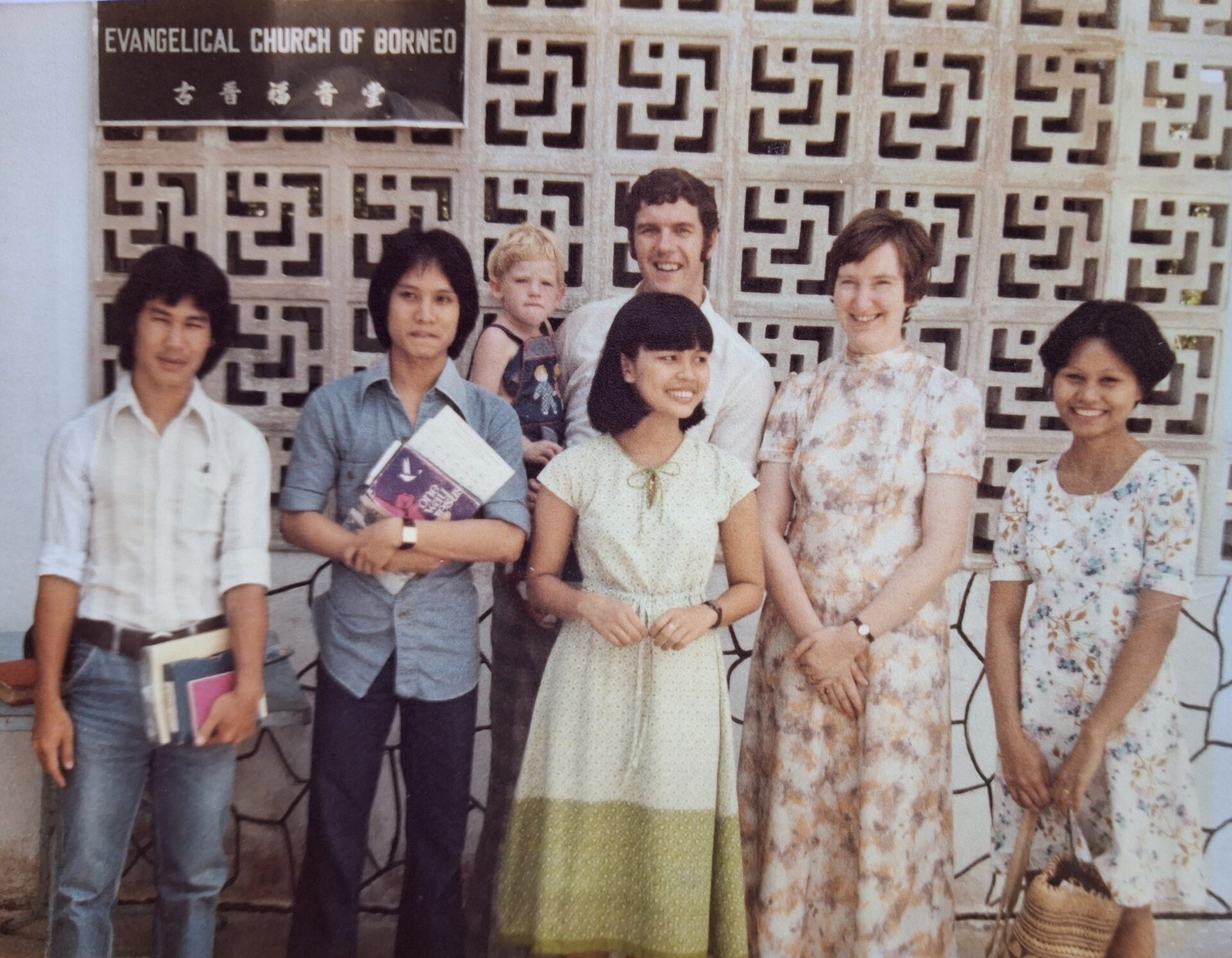
For me, as for most would-be disciples, there was a battle to be fought – between what we want and what God wants.
God-first
These early decisions established in my heart what we might call the ‘God-first’ principle, on which all our following of Jesus rests. It is summed up in Matthew 6:33 where we read: ‘Seek first his kingdom and his righteousness, and all these things will be given to you as well.’
Jesus is King, and his kingdom is established in the hearts of those who allow him to rule in their lives. Discipleship is about kingdom living and bringing every aspect of our lives under his control, but it is a kingdom of love where we are invited to offer ourselves willingly to God, but never under compulsion.
Two questions emerge for many young people who take discipleship seriously – the question of career (what will I do with my life?) and that of marriage (whom will I marry, if I am to marry at all?).
These would both be worked out for me in the next phase of my life, but already in my decision to apply to London Bible College I was responding to what I felt was a call to ministry and offering myself to God for whatever he had in mind for me.
Not all are called to full-time ministry, however, and for most the call of God will lead them into a normal career path where they can serve God as wholeheartedly as anyone in ministry. Neither path is more valid than the other. The important thing is that we make ourselves available to God and seek, with the help of others, to discern his direction for our lives, responding with faith and obedience to whatever he says.
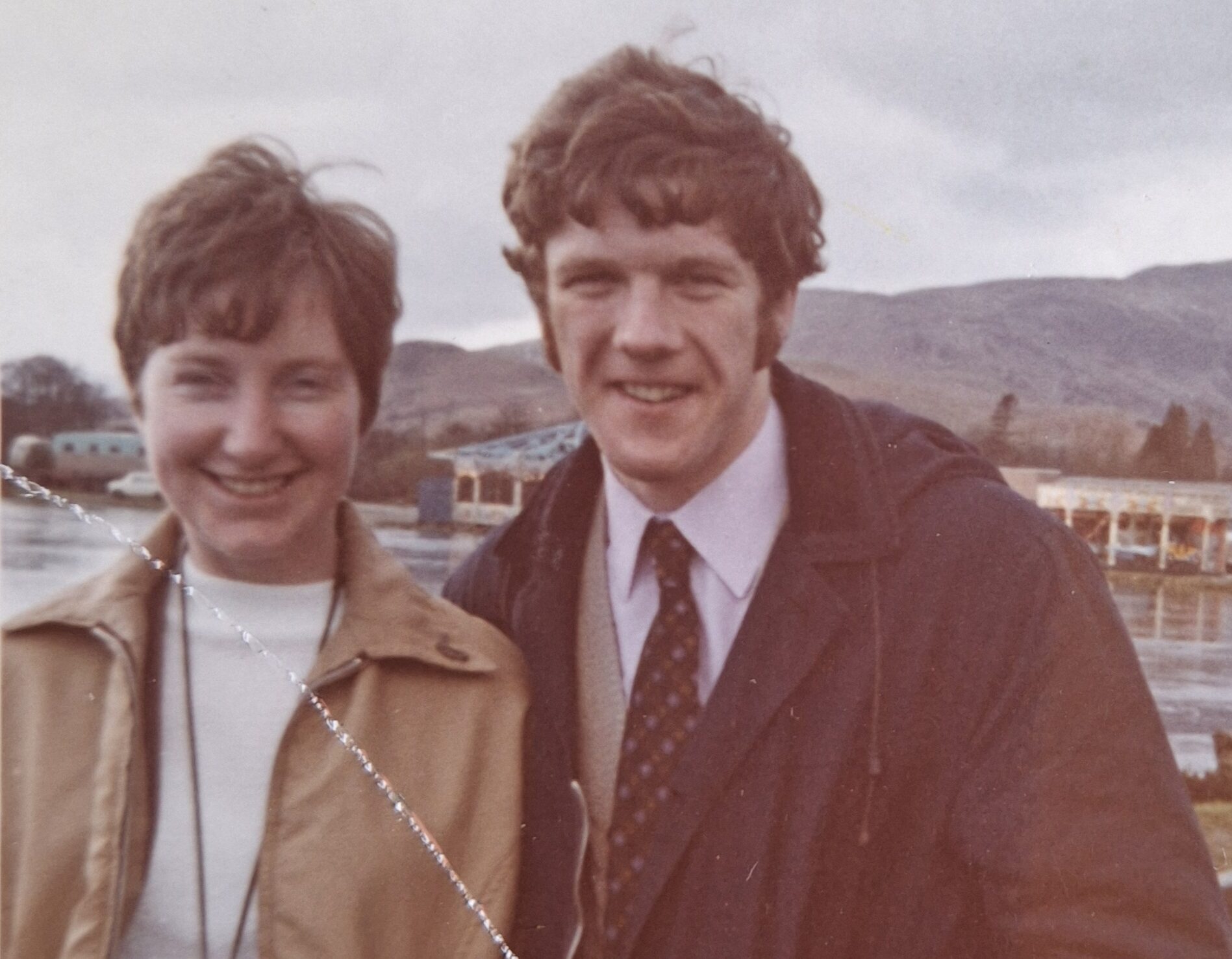
Two questions emerge for many young people who take discipleship seriously – the question of career and that of marriage.
Surrender to love
As I have gone through life seeking to follow Jesus, other ‘cross-roads’ moments have occurred where once again the choice would be between doing my own will or that of God. In some ways when we have experienced the blessing that comes from obedience and surrender, every new point of decision becomes a little easier since we know that God’s will is ultimately the best and for our good, yet because we are human, we may still find it difficult to yield ourselves again.
One thing that has helped me enormously in recent years is the awareness that, in the words of David Benner, surrender to God is always surrender to love – not to power, control, or authority.
Benner notes in his book Surrender to Love (IVP, 2003) that a focus on obedience in isolation from love can result in a begrudging compliance rather than a glad offering of one-self in love to the prior love of God. Our difficulties in obedience are not a matter of the will, but of the heart, of not realising how deeply we are loved or how much God desires our deepest happiness. If we are not convinced of God’s good intention, we are unlikely to yield the control of our lives to him.
Benner suggests that saying ‘Yes’ to God ‘begins as I experience his wildly enthusiastic, recklessly loving affirmation of me. It grows out of soaking myself in this love so thoroughly that love for God springs up in response. Surrender to his love is the work of the Spirit, making his love ours and his nature ours.’
What this means is that we can take no credit for our discipleship. We are simply responding to the love of God drawing us and wooing us into the path of life God has for us, the way of righteousness.
Without the experience of God’s love, however, discipleship may seem hard and difficult and may be forced upon us by over-zealous leaders who demand our commitment. By contrast, when we are aware of the call of love our response can be one of glad abandonment to a life of exciting adventure lived in partnership with the one who loved us and gave himself for us.