
Well-known broadcaster and writer Angela Tilby reflects on ‘The hope of glory’ in these Advent readings taken from the current issue of our Bible Reflections for Older People.
14 December 2025
God, the source of all reality
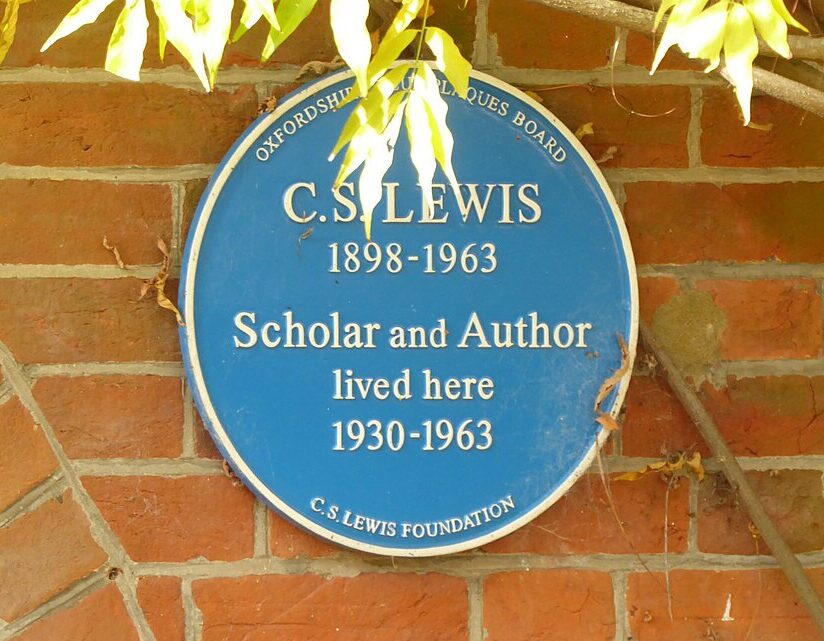
The writer and Christian apologist C.S. Lewis, author of the famous ‘Chronicles of Narnia’ novels, once wrote a book called The Weight of Glory, in which he reflected on the meaning of the word ‘glory’ in the Bible. He argued that we would understand ‘glory’ better if we understood its Hebrew root.
‘Glory’ translates the word kabod, which usually means ‘density’ or ‘solidity’. Hence the ‘weight’ of glory.
When we attribute glory to God we are acknowledging that God is simply the source of all reality, the presence, power, and fullness of all that is. As part of creation we are already connected to God. Our uniqueness as human beings is that we have the chance to recognise this and realise it in the way we live, work and pray.
Our readings about glory focus on the hope and loss of glory in the Old Testament and the glory of God in Christ manifested in his birth, death and resurrection. Part of the gift that comes with getting older is that we can become more sensitive to the glory around us and within us, and more receptive to the glory God has prepared for us.
The king of glory
‘Lift up your heads, O gates! and be lifted up, O ancient doors! that the King of glory may come in. Who is this King of glory? The Lord of hosts, he is the King of glory’ (Psalm 24:9–10, NRSV).
The image in this psalm is of the Jewish temple in Jerusalem. Streams of pilgrims and visitors have climbed the rocky path to Mount Zion and now await the start of an annual festival, a joyful event which celebrates the Lord’s kingship over all creation. It also looks forward to the earthly rule of God’s anointed king.
So on one level this psalm celebrates King David and his successors, while on another it looks forward to the coming Son of David, the long hoped-for, long expected Messiah. In the gospels, this theme is played out in a different key. When ‘great David’s greater Son’ enters Jerusalem in triumph, it is Palm Sunday. He rides a humble donkey. Later, he will cleanse the temple and incur the wrath of the religious rulers.
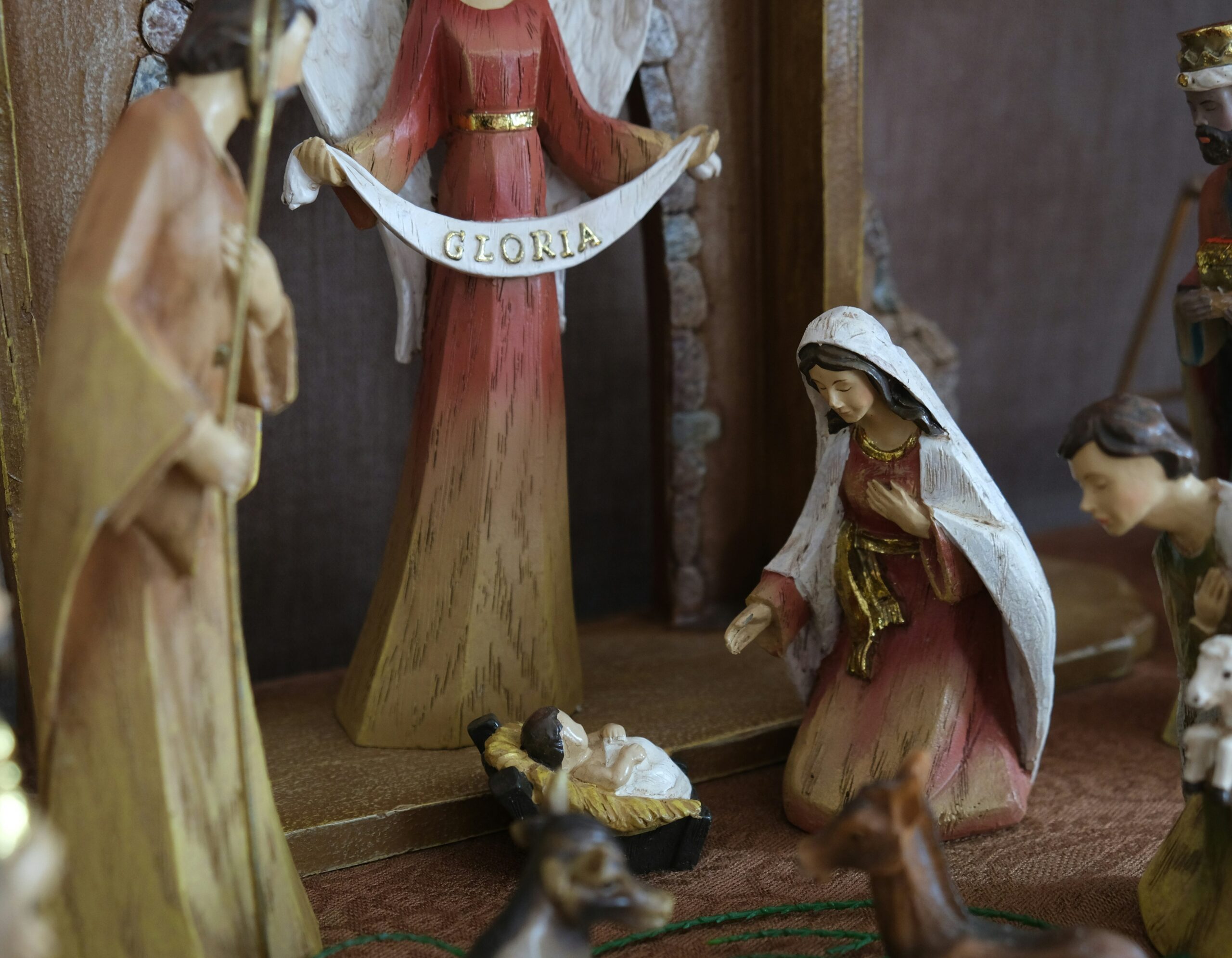
We begin to discover that the weight of glory is also the weight of challenge and the start of the suffering which will bring us salvation. Yet the one who comes is still the same Lord, the one who can be trusted, whose promises and mercy are rock solid.
Glory lost and found
‘She named the child Ichabod, meaning, “The glory has departed from Israel” because the ark of God had been captured’ (1 Samuel 4:21, NRSV).
The birth of a baby is usually a cause for joy, but poor Ichabod’s birth coincided with the capture of the ark of God’s presence from the Israelite shrine at Shiloh and the death of the child’s father and grandfather. His mother mourns both for her personal loss and for the loss of the most precious symbol of God’s presence with his people.
There are times in all of our lives when we sense ‘the glory has departed’, when the presence of God and the blessings of life are overwhelmed by loss and sorrow. At this time of year and as we grow older, we should try to remember that exile and loss, seen through the eyes of faith, always point to restoration and renewal. The glory may have departed for now, but the promise is of return. As the ancient hymn puts it, ‘From glory to glory advancing, we praise thee, O Lord’.
Glory revealed
‘Every valley shall be lifted up and every mountain and hill made low; the uneven ground shall become level and the rough places a plain. Then the glory of the Lord shall be revealed, and all flesh shall see it together, for the mouth of the Lord has spoken’ (Isaiah 40:4–5, NRSV).
For those who know and love Handel’s ‘Messiah’, it is hard to read those words without being reminded of the joyful aria and chorus which he composed as a setting for them. Isaiah is ministering to God’s people in exile. Here he prophesies that, just as the Red Sea rolled back to allow God’s people to escape from Egypt, so a highway will appear where once there were mountains and valleys, to make plain the way of the Lord, to reveal his glory, and to enable their return.
The good news of Advent is news of liberation, of release, of the end of captivity. We may think our current obstacles are insurmountable, but God’s glory can still break through, even through our particular circumstances and our natural limitations.

What are the deep valleys you need help to cross today, and what mountains lie in your path?
Glory restored
‘Then he brought me to the gate, the gate facing East. And there the glory of the God of Israel was coming from the east; the sound was like the sound of mighty waters, and the earth shone with his glory… As the glory of the Lord entered the temple by the gate facing east, the spirit lifted me up and brought me into the inner court, and the glory of the Lord filled the temple’ (Ezekiel 43:1–2, 4–5, NRSV).
The prophet Ezekiel was sent to care for God’s people when they were deported from the Holy Land to Babylon. He lived among them through their exile, which he interpreted as punishment for their unfaithfulness, while also encouraging them to hope for God’s forgiveness.
Throughout his ministry, he had been conscious of God’s presence, even in the alien territory to which he had been sent. Now he has a vision of the return of God’s glory to the temple in Jerusalem. In the event, this prophecy took a long time to come to fruition. The exiles who eventually returned found the temple wrecked. It took enormous effort and courage to rebuild it and to restore its glory.
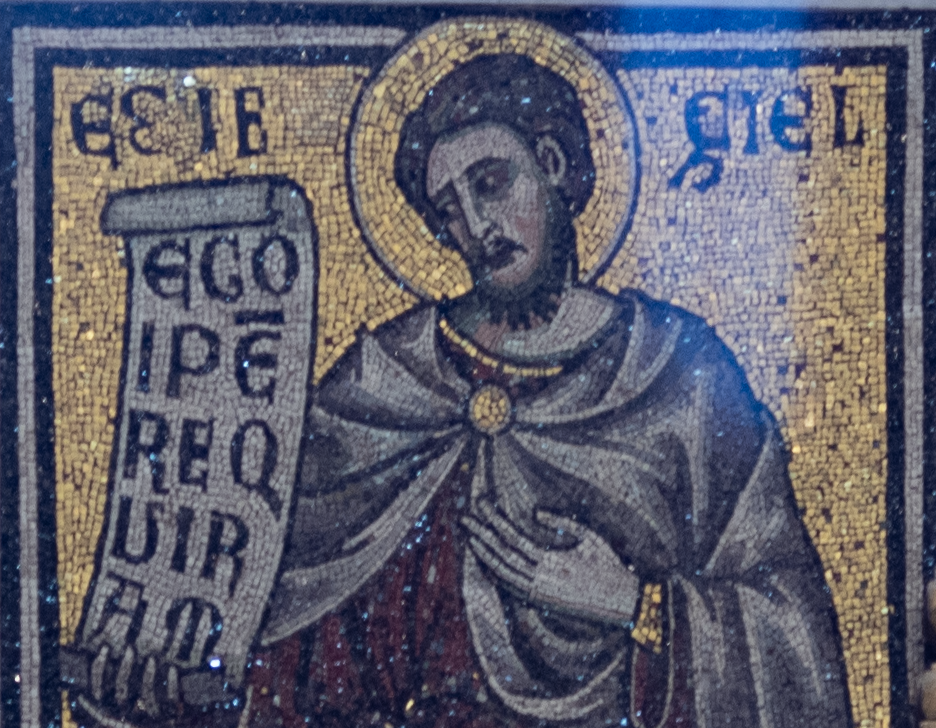
What Ezekiel’s vision gave to the exiles was the encouragement they needed to endure their present suffering, knowing that God had a future for them when all losses would be restored.