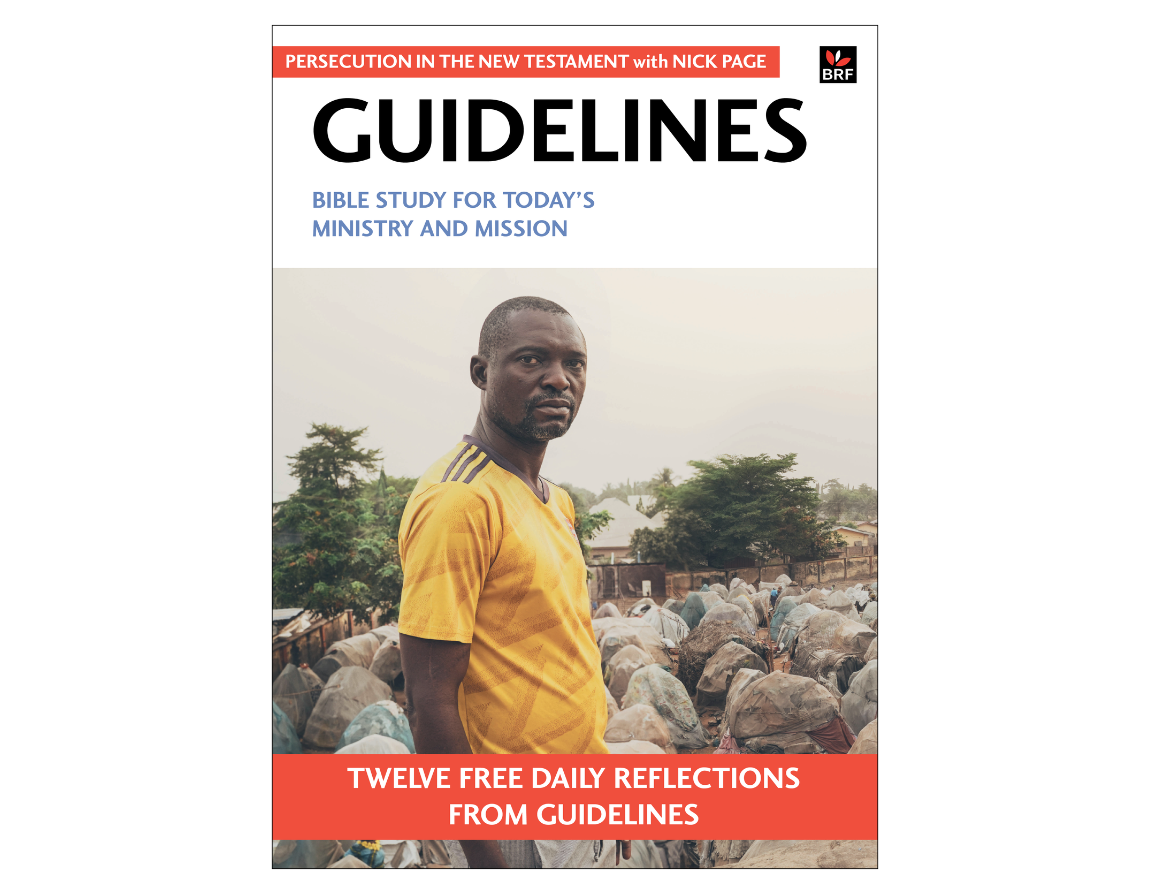

In a special collaboration between BRF Ministries and the organisation Open Doors, Nick Page, creative lead with Open Doors UK and Ireland, highlights the New Testament experience of persecution and the parallels with the persecuted church today. This is an edited extract of his series of reflections for Guidelines, beginning tomorrow, 17 November.
16 November 2025
Preparing for persecution
The early church was a radical, countercultural, even subversive organisation. This might be hard to imagine, living, as we do, in a society where the church is still visible and very much a part of our cultural life. But Jesus spent a lot of time preparing his followers for opposition and persecution. Indeed, persecution forms a kind of background hum to much of the New Testament. The Christian scriptures were written by persecuted Christians for persecuted Christians.
And persecution is still with us today. Over 365 million Christians around the world – around 1 in 7 of the global Christian population – face persecution and discrimination for their faith. For 70 years, Open Doors has stood alongside these faithful brothers and sisters, strengthening and supporting those who count the cost of following Christ. It all began with our founder, known as ‘Brother Andrew’, smuggling Bibles into Iron Curtain countries during the Cold War. Today Open Doors works with the church in more than 70 countries, including some of the most dangerous places on earth.
In these reflections, I am going to show how the persecution we read about in the New Testament is connected with the experience of the persecuted church today, and to think about what that means for how we express our faith in our culture. First the ‘why’: why were Christians persecuted in New Testament times and why are they persecuted today? And then the ‘how’. How do they respond? How is it that they can be persecuted and still, as Jesus puts it, be ‘blessed’?
And the crucial underlying question: what does this mean for us? We are all part of the persecuted church, because we are one body. If one part hurts, we should all feel pain. As Brother Andrew put it: ‘If I cannot feel their pain, I should get scared: maybe I’m an artificial limb. A wooden arm cannot feel pain. I don’t want to be a wooden arm. I want to be alive!’
We are all one body and I hope, through engaging with these reflections, that you will get the feeling back, not just in your arm, but in your body, heart, mind and soul.
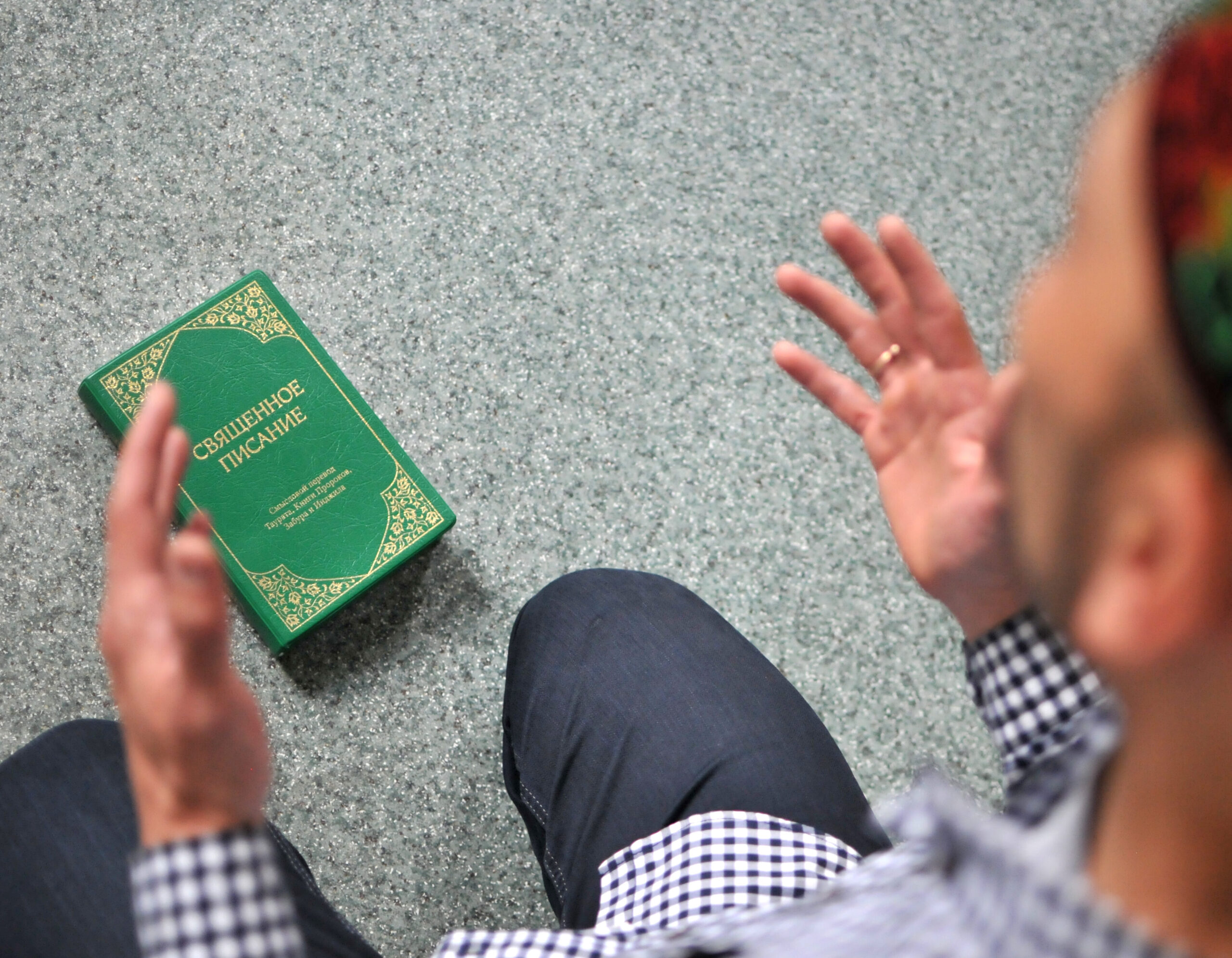
Around 1 in 7 of the global Christian population face persecution and discrimination for their faith.
Left: Pastor Alim (not his real name) in Central Asia. Photo © Open Doors International
A price worth paying
‘The kingdom of heaven is like treasure hidden in a field, which a man found and reburied; then in his joy he goes and sells all that he has and buys that field. Again, the kingdom of heaven is like a merchant in search of fine pearls; on finding one pearl of great value, he went and sold all that he had and bought it.’
Matthew 13:44–46 (NRSV)
Jesus repeats it again and again: there is a cost to discipleship. It will mean conflict within families and being hauled before the authorities. In the starkest of these warnings, Jesus says that his followers must be prepared to pick up their cross (Mark 8:34). This is more than metaphor: in the New Testament world, the only people seen carrying a cross were on their way to their execution.
In many places this remains the case. Being discovered to be a Christian in North Korea is effectively a death sentence. Believers will be deported to labour camps – which few survive – or they are killed on the spot.
Why take the risk? Why pay such a high cost? The answer lies in these two micro-parables. It’s easy to focus on the price and forget about the pearl. The point of these parables is that the kingdom of God is worth it. It’s worth the cost. It’s worth everything.
A North Korean believer was arrested when the police found a Bible in his home. ‘I’ve known this man for a long time,’ said a friend. ‘When he came to faith, he made the decision that one day he would die for Christ. Every Christian in North Korea has made that choice. I am convinced he can take the suffering because he constantly reminds himself of the joy that is set before him.’
Freedom, forgiveness, love, hope, joy – these are treasures for which persecuted Christians willingly pay a price.
Pastor Zachariah from Nigeria saw his community attacked by Islamic militants. He said, ‘I want to tell people who find themselves in situations like we have experienced, my prayer for you is that we should rely on God, because he is everything we live for.’
That’s a challenge. Is God everything I live for? I’m not sure I can honestly say that I treasure my faith in the same way, but for persecuted believers today, as for the disciples of the early church, the price is worth paying. The kingdom of God is real – as real and alive as a field; as thrilling and exciting as hidden treasure; as solid and beautiful and priceless as a pearl.
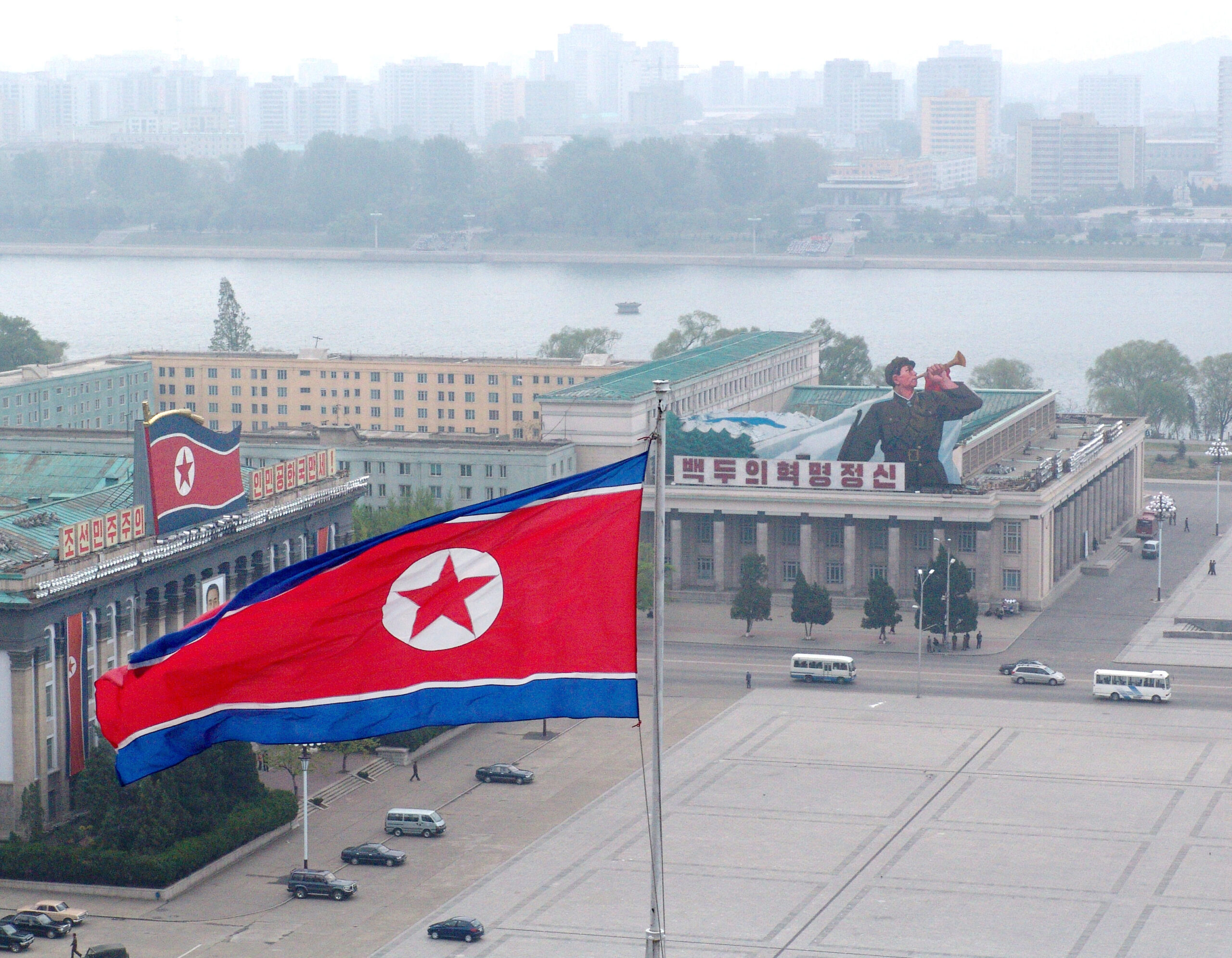
Being discovered to be a Christian in North Korea is effectively a death sentence.
Right: Kim Il Sung square, Pyongyang, North Korea. Photo © Open Doors International
The blessedness of persecution
‘Blessed are those who are persecuted for the sake of righteousness, for theirs is the kingdom of heaven. Blessed are you when people revile you and persecute you and utter all kinds of evil against you falsely on my account. Rejoice and be glad, for your reward is great in heaven, for in the same way they persecuted the prophets who were before you.’
Matthew 5:10–12 (NRSV)
In the last of the beatitudes, Jesus dares to suggest that those who are persecuted are the makarioi – the blessed. The makarioi do not sound like candidates for the ‘most blessed person’ award. They are the poor in spirit, the humble, the grieving. They are starved of justice and persecuted. Now, you don’t find many cards in the gift shop with the slogan, ‘So happy to hear you’re being persecuted.’ But they are blessed. How? How does a Christian’s response to persecution bring blessing to themselves and to others.
Let’s be clear, though: the blessedness of persecution is not in the persecution itself. It does not make the terrible things done to God’s family around the world acceptable. Christians around the world suffer horrific things. They weep; they grieve; they shout out at God. They are walking through fire – and the fire burns. The blessedness does not lessen the heat, but it can give meaning to the fire.
For many, the blessedness lies in a deeper relationship with God. But most of all, it lies in what Jesus says here: theirs is the kingdom of heaven. For many Christians who have experienced persecution, the blessedness consists of knowing that they are walking in the way of Jesus, that they are firmly in the kingdom of God.
I don’t want to be glib here. I don’t want to minimise anyone’s suffering or claim that I would be able to withstand these things myself. But persecution, like all suffering, can be holy ground. It can be a place of deep encounter with Jesus. As Paul told the believers in Lystra, Iconium and Antioch: ‘It is through many persecutions that we must enter the kingdom of God’ (Acts 14:22).
Suffering, persecution, pain – they are not good in themselves, but they can be gateways to something good, something blessed.
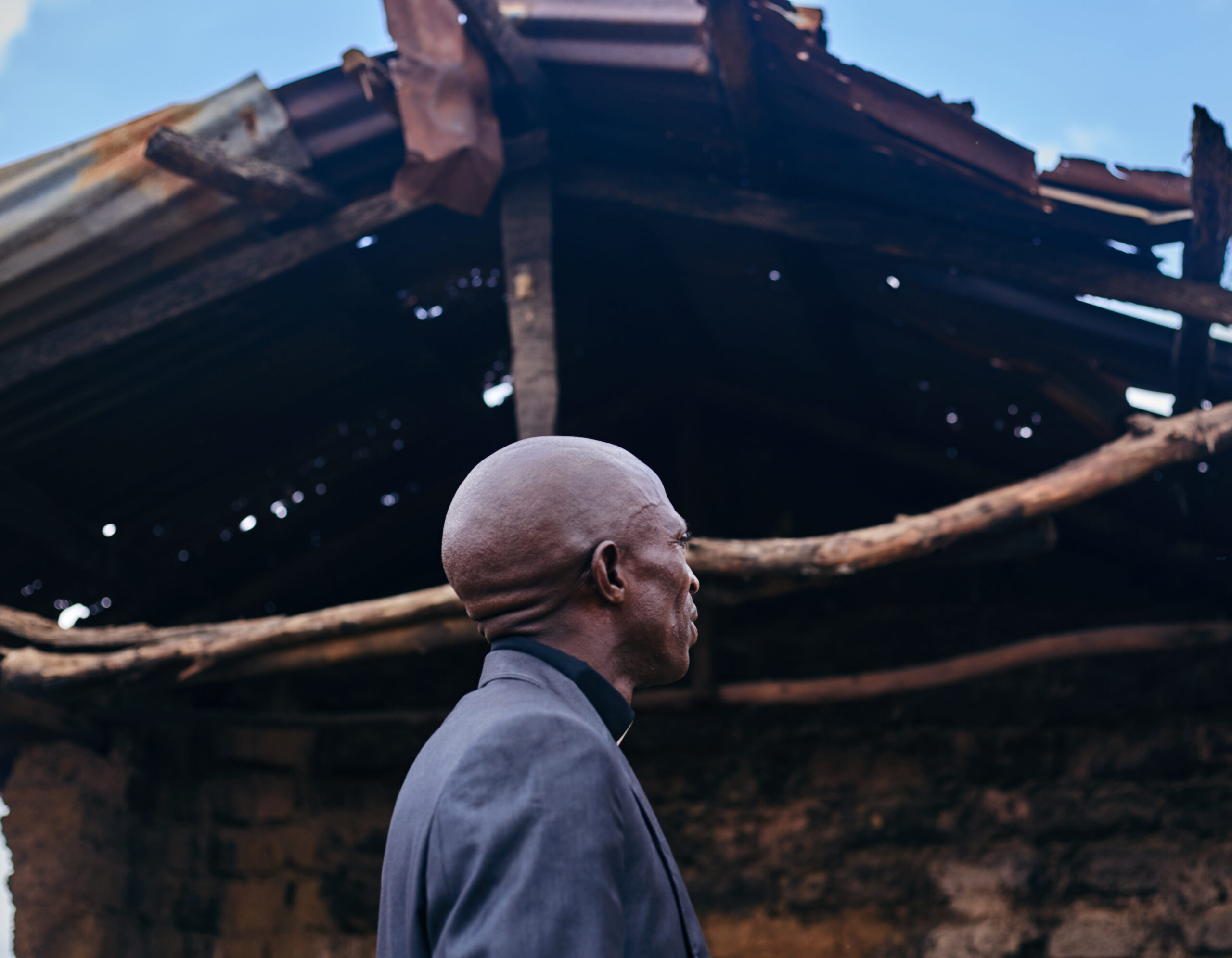
The blessedness does not lessen the heat, but it can give meaning to the fire.
Left: Pastor Zachariah surveying a destroyed house. Photo © Open Doors International
Courageous faith
I met a Christian from Central Asia who told me that a pastor friend of his had been put into prison. ‘The guards didn’t beat him,’ he said, ‘because they thought he was “too far gone” as a Christian. “You are lost to this society,” they said.’
Instead, they put him in a cell with an extremist radical Muslim. Three days later, his cellmate had accepted Christ. So they put the pastor into solitary confinement. But it didn’t break him, as they hoped. When this pastor came to be released, the head of the prison – a hardline opponent of Christians – took him aside. ‘I see really brave Christians in here,’ he said. ‘Could you give me your book? I want to understand why you have this nature – why you are so brave.’
We live in a fear-filled world. Every day we swim in a sea of fear and anxiety: doom-scrolling our way through the websites and the social media feeds. The problems seem insurmountable, the violence and the hatred seem to be breeding.
Yet Christ has the victory. Christ has conquered the world (John 16:33). We are citizens of the kingdom of God, and the kingdom of God is a perfectly good and perfectly safe place to be.
Of course it’s not always easy to grasp that; to keep hold of it. But maybe the courage and faith of our persecuted brothers and sisters can help a little. They are not always heroes, of course. They feel anxiety, fear and doubt. Everyone does. The apostles did. Paul did. He describes the strain of living under daily pressure and anxiety (2 Corinthians 11:29).
And yet, when we are weak, Christ is strong. The image of the jars of clay which Paul uses here brings us back to the start of this journey. In times of trouble and war, people put their precious valuables into clay jars and buried them for safekeeping. In times of peril and hardship, we can take comfort in this marvellous truth: we carry within us the life of Jesus.
On the outside, things might look different. There might be suffering, conflict or even just the mundane pressures of ordinary ‘clay-jar’ life. But we are not overcome. We are containers for treasure.
For further reading, see Nick Page and Eddie Lyle, Witness (Open Doors, 2025). You can order free from opendoorsuk.org.